Why Does My Dehumidifier Smell Bad? Causes & Fixes
Editorial note: Rare One is reader-supported. We may earn a commission if you buy through links on our site, at no extra cost to you. Our recommendations focus on practical fit, features, value, and common buyer concerns.
📑 In This Article
- Why Does My Dehumidifier Smell Bad - Quick Answer
- Most Common Causes
- Step-by-Step Checks You Can Do Safely
- What Not to Do
- Safety and Editorial Note
- Should You Repair, Replace, or Upgrade?
- How to Prevent This Problem Next Time
- Related Buying Advice
Why Does My Dehumidifier Smell Bad - Quick Answer
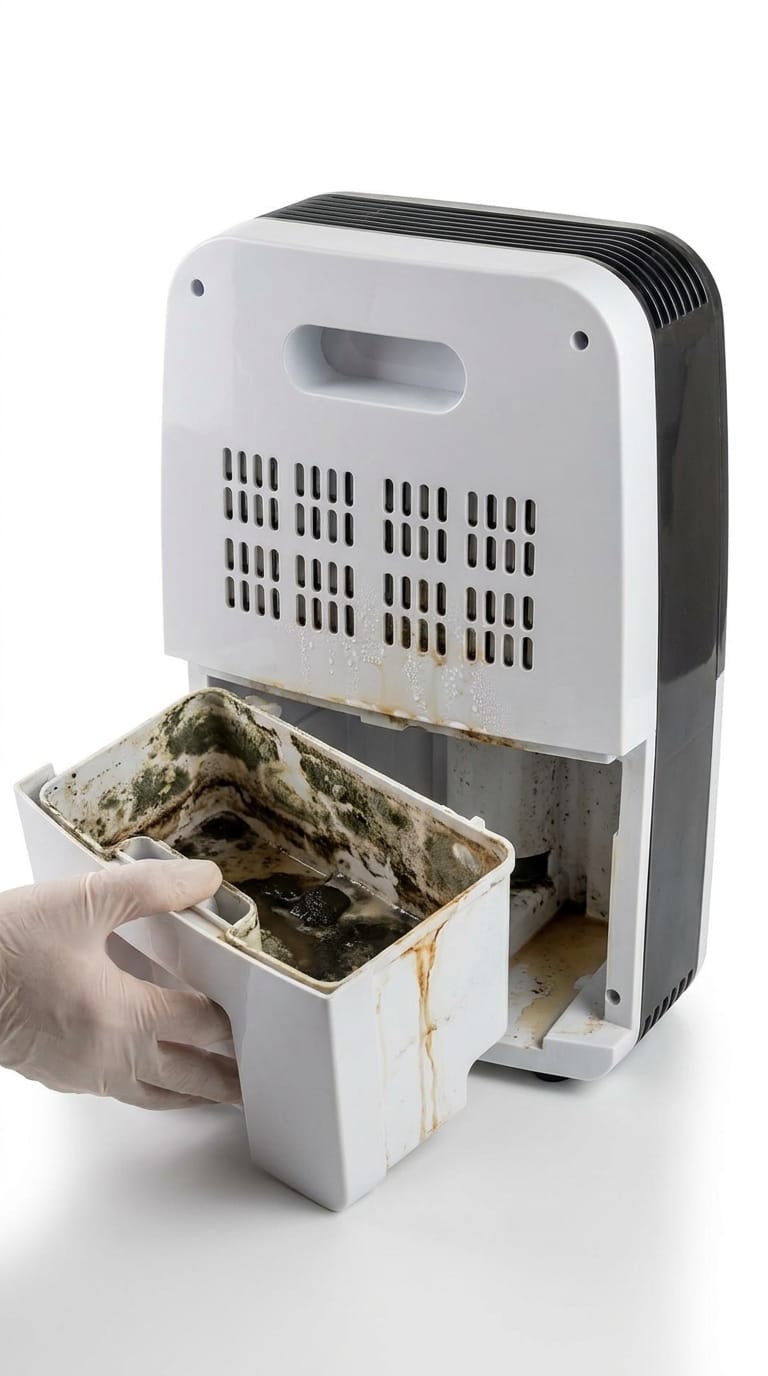
If your dehumidifier smells bad, it's most often due to accumulated moisture, dust, and microbial growth like mold or mildew within the unit, particularly in the water tank, coils, or filter. Stagnant water is a prime culprit, creating a musty odor that the dehumidifier then circulates.
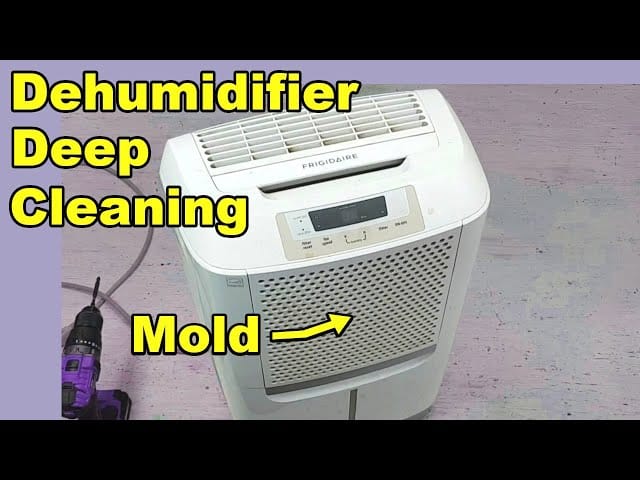
Quick Action Summary: Start by unplugging your dehumidifier and checking the water collection tank for standing water and visible mold. Clean the tank and air filter thoroughly. If the smell persists after cleaning and regular use, or if you detect a burning, chemical, or unusual electrical odor, stop using the unit immediately and consult a qualified professional. Do not attempt to open sealed components or tamper with refrigerant lines.
Most Common Causes
A bad smell from your dehumidifier can range from a damp, musty odor to something more concerning like a burning scent. Identifying the type of smell is the first step to pinpointing the problem.
| Possible Cause | What It Looks Like | What to Check First |
|---|---|---|
| Mold or Mildew Growth | A strong, musty, damp, or earthy smell, often worse when the unit is running. May see black, green, or white spots in the water tank, on coils, or inside vents. | Inspect the water collection tank, internal coils, and air filter for visible growth. Check if the tank has been emptied regularly. |
| Stagnant Water | A stale, sour, or stagnant water smell, especially if the unit hasn't been used recently or the tank isn't emptied often. | Empty the water tank completely. Clean the tank thoroughly with a mild detergent and water, then rinse well. |
| Dirty Air Filter | A general stale, dusty, or musty smell being circulated through your space. The filter may appear visibly clogged with dust, pet hair, or debris. | Remove and inspect the air filter. If it's washable, clean it; if it's disposable, check its replacement schedule. |
| Dust Accumulation | A dusty smell, sometimes with a slight burning odor if dust settles on internal components that warm up. Visible dust on external vents or internal grilles. | Gently vacuum external grilles and vents. Ensure the unit has clear airflow around it. |
| "New Unit" or Chemical Odor | A plastic, chemical, or slightly sweet smell, often noticed with a brand new unit or after long storage. | Allow the unit to run in a well-ventilated area for a few hours. Ensure no packaging materials remain inside. If it persists or is acrid, unplug and seek advice. |
| Electrical/Burning Smell | A distinct smell of burning plastic, rubber, or ozone. Can be accompanied by smoke or unusual noises. | Immediately unplug the unit. Do NOT attempt to use it again. This indicates a serious electrical fault and requires professional service. |
Step-by-Step Checks You Can Do Safely
Before you consider professional help or replacing your unit, there are several safe, simple checks and cleaning steps you can perform at home. Always unplug the dehumidifier from the power outlet before performing any maintenance.
1. Start With the Simple Checks
A quick inspection can often reveal the source of a bad smell. We prioritize safety and easily accessible components first.
- Unplug the Unit: Always disconnect power before touching any internal parts or moving the unit.
- Check Placement and Airflow: Ensure the dehumidifier has at least 6-12 inches of clear space around all sides for proper air circulation. Blocked vents can lead to dust buildup and inefficient operation, which can contribute to smells.
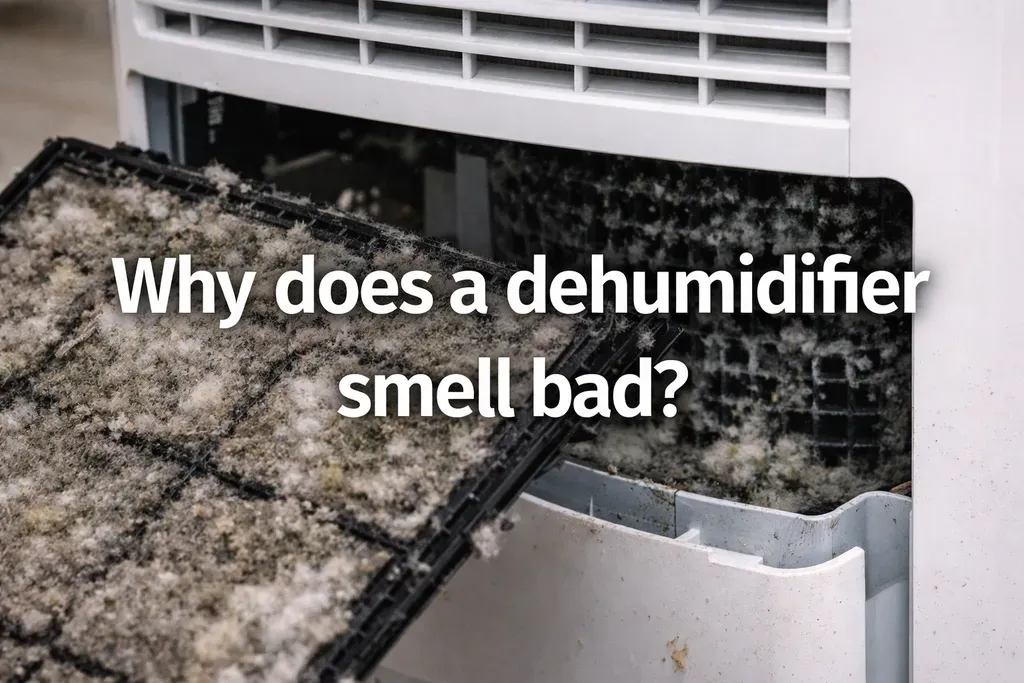
- Inspect the Water Collection Tank: This is the most common source of musty smells. Empty any standing water. Look for any visible mold, slime, or debris inside the tank.
- Examine the Air Filter: Most dehumidifiers have a removable air filter. Pull it out and check for dust, pet hair, and other debris that can restrict airflow and harbor odors.
- Look at External Vents: Visibly inspect the air intake and exhaust vents for any dust bunnies or obstructions.
2. Clean or Reset the Parts That Commonly Cause Trouble
Regular cleaning is key to preventing odors. These steps focus on accessible parts that you can clean safely.
- Clean the Water Tank:
- Empty the tank completely.
- Wash it with warm water and a small amount of mild dish soap. Use a soft brush or cloth to scrub away any slime or residue.
- For stubborn mold or mildew, a solution of one part white vinegar to two parts water can be effective. Let it sit for 15-30 minutes, then scrub and rinse thoroughly. Avoid harsh chemicals like bleach, as they can damage plastic or leave strong fumes.
- Rinse the tank several times with clean water to remove all soap or vinegar residue. Let it air dry completely before reinserting.
- Clean the Air Filter:
- If your dehumidifier has a washable filter, rinse it under warm running water until clean. Allow it to air dry completely before reinserting.
- If it has a disposable filter, replace it according to the manufacturer's recommendations. A dirty filter can significantly reduce efficiency and contribute to odors.
- Clean External Grilles and Vents:
- Use a soft brush attachment on your vacuum cleaner to gently remove dust and debris from the intake and exhaust grilles. This improves airflow and reduces the chance of dust burning on internal components.
- Wipe Down the Exterior:
- Use a damp cloth to wipe down the outside of the unit, especially around the vents and seams where dust can accumulate.
Important: Never spray water directly into the dehumidifier's electrical components or openings beyond the water tank. Always ensure all parts are completely dry before plugging the unit back in.
3. Watch for Signs the Problem Is More Serious
While many odor issues are simple to fix, some smells indicate a more significant problem that requires professional attention to avoid damage or safety risks.
- Persistent Burning Smell: If you detect any smell of burning plastic, rubber, or electrical components, even after cleaning, unplug the unit immediately. This is a serious safety concern and indicates an internal electrical fault.
- Chemical or Refrigerant Smell: A sweet or chemical odor could indicate a refrigerant leak. Do not attempt to open the unit or handle refrigerant. Unplug it and call a qualified appliance technician.
- Unusual Noises: If the bad smell is accompanied by grinding, buzzing, or rattling noises that weren't present before, it might indicate a motor or compressor issue.
- No Change After Thorough Cleaning: If you've diligently performed all safe cleaning steps and the bad smell persists after a day or two of operation, the issue might be deeper within the unit's sealed components or system.
What Not to Do
When troubleshooting a smelly dehumidifier, some actions can be dangerous or make the problem worse.
- Do NOT use harsh chemical cleaners: Bleach or strong disinfectants can damage plastic components, leave behind toxic fumes, and aren't necessary for routine cleaning. Stick to mild soap and white vinegar.
- Do NOT ignore a burning or chemical smell: These are serious warning signs. Continuing to operate the unit could lead to fire, further damage, or exposure to harmful chemicals. Unplug it immediately.
- Do NOT attempt to open the sealed housing: Unless you are a qualified technician, do not open the main casing of the dehumidifier to access internal electrical components or refrigerant lines. This can expose you to electrical shock, damage the unit, or release refrigerants.
- Do NOT pour water directly into the unit's vents: Only clean the water tank and removable filter with water. Pouring water into the main body can damage electrical parts.
- Do NOT run the unit without a filter: Operating without a filter allows dust and debris to accumulate on the coils and internal components, exacerbating odor issues and potentially causing damage.
Safety and Editorial Note
This guide focuses on safe homeowner checks, common maintenance causes, and clear decision points regarding your dehumidifier's bad smell. We prioritize practical symptoms, manufacturer-style safety limits, and clear escalation signs over risky DIY repairs. Our advice is designed to help you identify and address issues you can safely handle, and crucially, to recognize when to stop and call a qualified professional. Your safety and the longevity of your appliance are our primary concerns.

Should You Repair, Replace, or Upgrade?
Deciding whether to repair a smelly dehumidifier or invest in a new one depends on several factors, including the unit's age, the severity of the problem, and the cost of potential repairs.
Consider Repair If...
- The unit is relatively new (under 3-5 years old).
- The smell is due to an easily replaceable part like a filter or a simple cleaning issue.
- The repair cost is less than 50% of buying a comparable new unit.
- The issue is a known, minor problem that a local technician can fix without extensive labor.
Consider Replacing If...
- The unit is old (over 5-7 years for most residential models).
- The smell indicates a major component failure (compressor, motor, refrigerant leak).
- Repair costs approach or exceed the price of a new dehumidifier.
- The unit has recurring problems, or its energy efficiency is poor compared to modern models.
- You're looking for advanced features like smart controls, quieter operation, or better energy ratings.
If your current dehumidifier is showing signs of major failure, or if it's struggling to effectively control humidity, it might be time to look into replacing it. Newer models often offer better energy efficiency and quieter operation. For more insights on general dehumidifier issues, you might find our guide Dehumidifier Not Working? Top Fixes & When to Replace helpful.
How to Prevent This Problem Next Time
Proactive maintenance is the best way to keep your dehumidifier running efficiently and odor-free, preventing that unpleasant smell from returning.
- Regular Tank Cleaning: Empty and clean the water collection tank at least once a month, or more frequently if you live in a particularly humid environment or use the unit constantly. Allow it to dry completely.
- Filter Maintenance: Check your air filter every 2-4 weeks. Washable filters should be cleaned monthly, and disposable filters replaced every 3-6 months, depending on usage and air quality.
- Maintain Clear Airflow: Ensure the dehumidifier is placed in an area with adequate space around all sides (at least 6-12 inches) to allow for proper air circulation. This prevents dust buildup and ensures efficient operation.
- Seasonal Cleaning: Before storing your dehumidifier for the off-season, give it a thorough cleaning, including the tank, filter, and exterior. Allow all parts to dry completely before storage to prevent mold growth.
- Consider a Drain Hose: If your unit has a continuous drain option, using a hose can prevent stagnant water in the collection tank, significantly reducing the risk of mold and musty smells. Ensure the hose is clear and properly sloped.
- Address Room Humidity: While the dehumidifier helps, also consider sources of humidity in the room itself. Good ventilation and addressing leaks can reduce the overall load on the unit and the potential for musty smells.
Related Buying Advice
If you find yourself needing to replace your dehumidifier, consider models with features that help prevent future odor issues. Look for units with easily accessible and washable filters, or those that use a continuous drain option to avoid stagnant water in the tank. Some models also include a "clean filter" indicator light, which can be a helpful reminder for maintenance.
Consider the capacity of the dehumidifier for your specific room size. An undersized unit will struggle and run constantly, potentially leading to faster wear and tear and more opportunities for odor development. Conversely, an oversized unit might cycle too frequently. Also, prioritize energy-efficient models to save on running costs, as these appliances can be quite power-hungry. If you're also concerned about overall air quality, consider pairing your dehumidifier with an air purifier; you can explore options like the Best Air Purifier for Bedroom or Best Air Purifier for Large Homes.
Frequently Asked Questions
Why does my dehumidifier smell bad?
Your dehumidifier often smells bad due to mold or mildew growth in the water collection tank, on the evaporator coils, or within a dirty air filter. Stagnant water, dust accumulation, or even sometimes a new unit's initial off-gassing can also cause odors.
Why does my humidifier smell bad?
While this guide focuses on dehumidifiers, a humidifier smelling bad typically indicates stagnant water, bacterial or mold growth in the water reservoir, or a dirty filter. Regular cleaning and using distilled water are key to preventing odors in humidifiers.
Why does my Meaco dehumidifier smell bad?
Specific brands like Meaco, like any dehumidifier, can develop odors from the same common causes: dirty water tanks, clogged filters, or internal mold/mildew. Follow the general cleaning and maintenance steps for the water tank and filter, and consult your Meaco manual for specific cleaning instructions.
Why does the mist from my humidifier smell bad?
If the mist from a humidifier smells bad, it's a strong indicator of bacteria, mold, or mineral buildup in the water reservoir or internal components. The unit is aerosolizing these contaminants along with the water vapor, which can be unhealthy. Clean the unit thoroughly and consider using distilled water.
Will a dehumidifier get rid of musty smell?
Yes, a dehumidifier can significantly reduce and often eliminate musty smells by removing excess moisture from the air, which is the primary cause of mold and mildew growth. However, if the dehumidifier itself is the source of the musty smell due to internal contamination, it will need to be cleaned first.