Why Does My Dryer Smell Bad? Causes & Fixes
Editorial note: Rare One is reader-supported. We may earn a commission if you buy through links on our site, at no extra cost to you. Our recommendations focus on practical fit, features, value, and common buyer concerns.
📑 In This Article
- Why Does My Dryer Smell Bad - Quick Answer
- Most Common Causes
- Step-by-Step Checks You Can Do Safely
- What Not to Do
- Safety and Editorial Note
- Should You Repair, Replace, or Upgrade?
- How to Prevent This Problem Next Time
- Related Buying Advice
Why Does My Dryer Smell Bad - Quick Answer
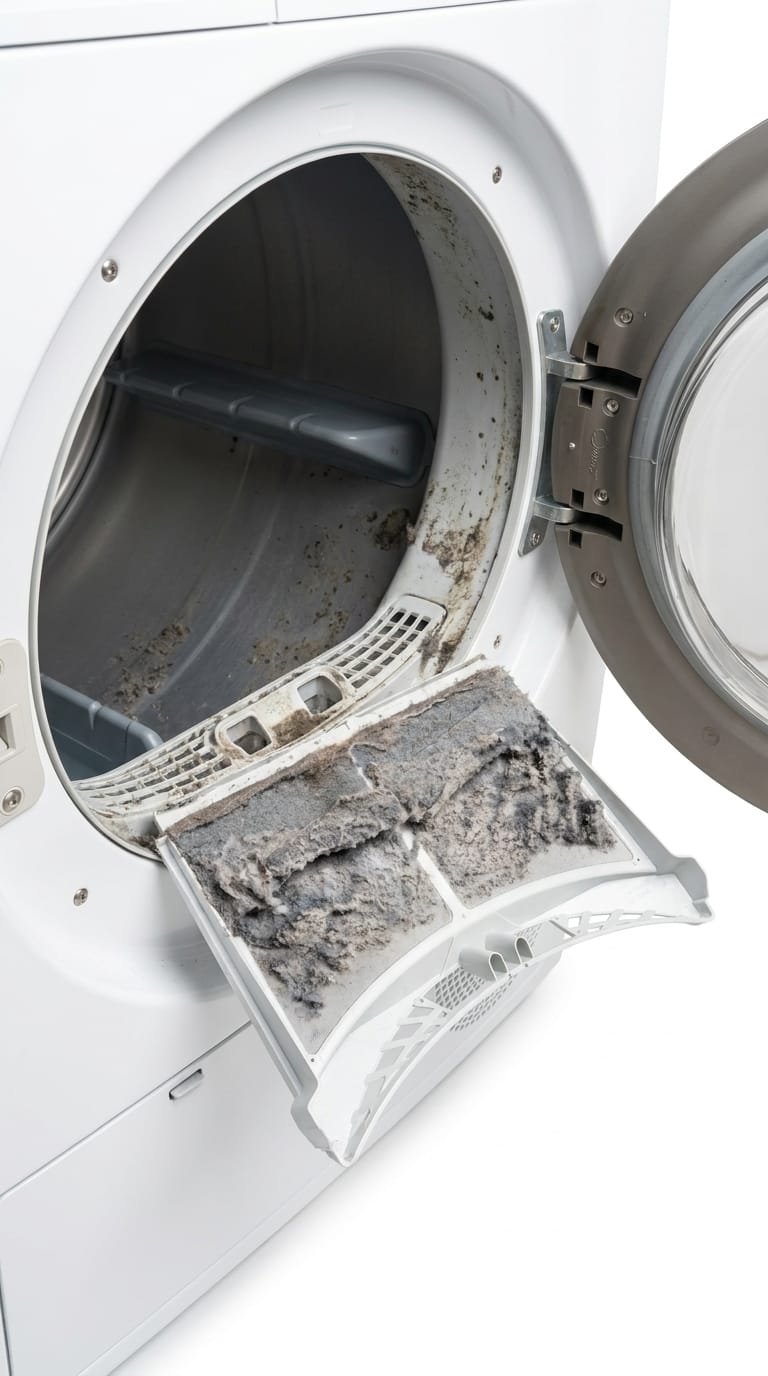
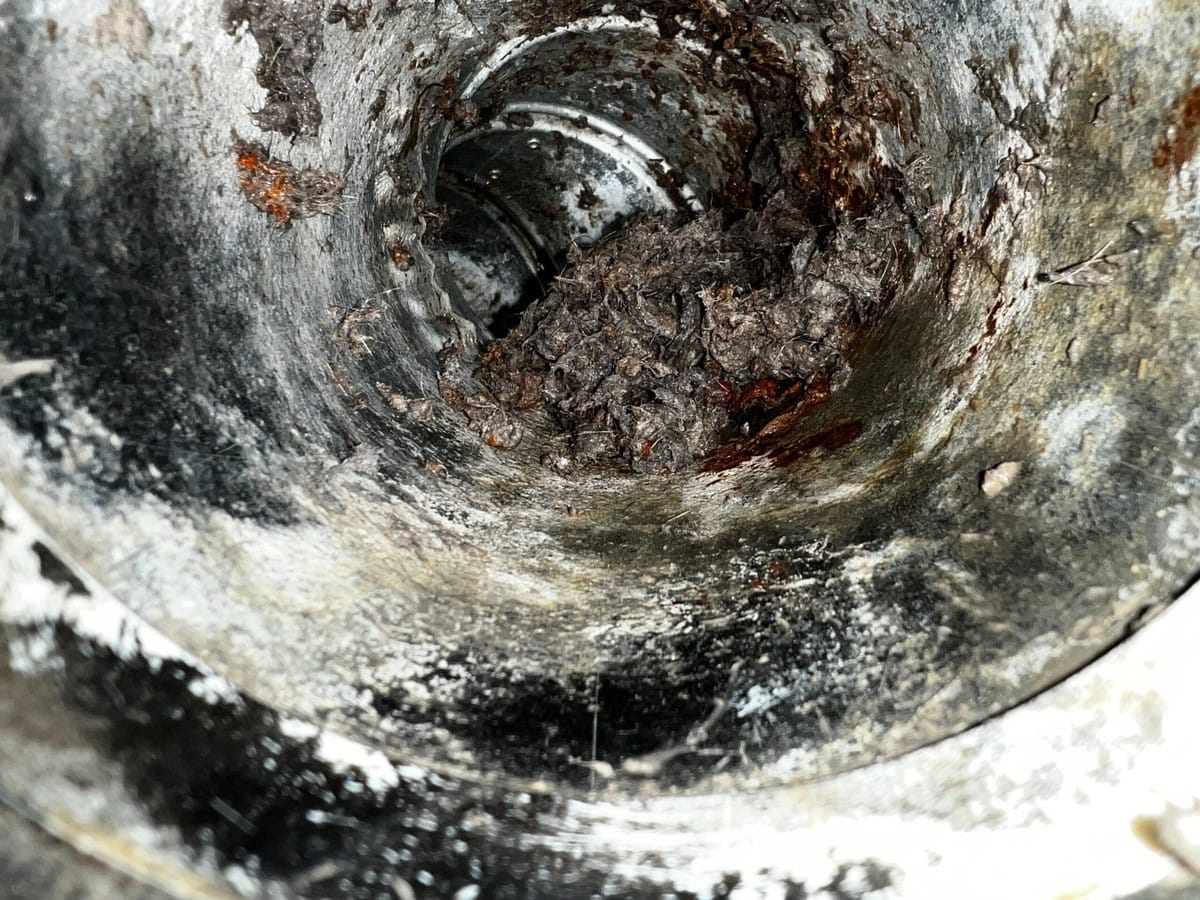
If you're asking "why does my dryer smell bad," the most common culprits are lint buildup, trapped moisture, or forgotten items inside the drum or vent system. These issues can restrict airflow, leading to musty, sour, or even burning odors.
Quick Action Summary:
- Check First: Immediately inspect and clean the lint trap. Then, check the dryer vent hose for kinks or blockages where it connects to the dryer and the wall.
- Safe to Try: Safely clean the dryer drum interior with a mild cleaner, and vacuum around the accessible parts of the lint trap and vent opening. Ensure no wet laundry is left inside.
- Stop If: You detect a strong burning smell (especially electrical), a gas odor, or if you need to disassemble internal components. In these cases, unplug the dryer (or turn off gas) and call a qualified appliance technician or emergency services immediately.
Most Common Causes
Understanding the root cause is the first step to fixing a smelly dryer. Here are the most frequent reasons your dryer might be emitting unpleasant odors:
| Possible Cause | What It Looks Like | What to Check First |
|---|---|---|
| Lint Buildup | Clothes take longer to dry, dryer feels hotter than usual, or you see excessive lint around the dryer or vent. The smell might be musty or faintly burning. | Clean the lint trap thoroughly. Inspect the vent hose for blockages and ensure it's securely connected. |
| Trapped Moisture / Mildew | A sour, musty, or damp odor, especially if wet clothes were left in the drum for too long before drying, or if the dryer isn't ventilating properly. | Remove all laundry. Wipe down the dryer drum with a damp cloth and mild cleaner. Ensure you're not leaving wet clothes in the dryer. |
| Forgotten Items | A very specific, unusual smell (like rotting food, pet waste, or melted plastic) that appears suddenly. This often comes from items left in pockets or falling out during a cycle. | Thoroughly check all pockets of laundry and inspect the entire dryer drum, including the space between the drum and the door. |
| Blocked Dryer Vent | A burning smell, musty odor, or clothes still damp after a full cycle. Reduced airflow from a clogged vent can lead to overheating and trapped smells. | Visually inspect the vent hose for kinks or tears. Check the exterior vent hood for blockages (e.g., bird nests, lint accumulation). |
| Overloading the Dryer | Clothes remain damp, or a faint, musty smell persists because items aren't drying completely. Overloading restricts airflow and can trap moisture. | Reduce the size of your laundry loads to allow for proper tumbling and airflow. |
| Residue from Cleaning Products | A chemical-like, perfume-y, or unusual "clean" smell that doesn't dissipate. This can be from fabric softener sheets, dryer balls, or cleaning agents used inside the drum. | Ensure you're using recommended amounts of fabric softener. Run an empty cycle with a damp cloth to help rinse any residue from the drum. |
Step-by-Step Checks You Can Do Safely
Before you consider calling a technician, there are several safe, homeowner-level checks you can perform to identify and often resolve why your dryer smells bad.

1. Start With the Simple Checks
Often, the solution to a smelly dryer is a quick fix. Begin with the most straightforward inspections.
- Clean the Lint Trap: This is crucial. Always clean the lint screen after every load. A clogged lint trap severely restricts airflow, leading to longer drying times, overheating, and a potential fire hazard. For a deeper clean, occasionally wash the lint screen with warm, soapy water and a brush to remove fabric softener residue that can build up and block pores.
- Inspect the Dryer Vent Hose: Pull the dryer away from the wall slightly and check the flexible vent hose connecting it to the wall duct. Look for kinks, crushes, or disconnections. Ensure it's securely attached at both ends. Poor venting can trap moisture and cause a musty smell or even a burning odor if lint accumulates and overheats.
- Check for Forgotten Items: Before every load, quickly check pockets for foreign objects like tissues, pens, crayons, or even small toys. These can melt, burn, or create a foul odor when heated. Also, inspect the dryer drum thoroughly, especially around the edges and beneath the lint trap opening, for anything that might have fallen out of clothes.
- Avoid Overloading: Stuffing your dryer with too many items prevents proper tumbling and airflow. This can lead to clothes not drying completely, creating a damp, musty smell that permeates the dryer and your laundry. Dry smaller, more manageable loads.
- Remove Clothes Promptly: Don't leave damp, warm clothes sitting in the dryer after a cycle. This creates an ideal environment for mildew and sour smells to develop, which can then transfer back to your dryer.
2. Clean or Reset the Parts That Commonly Cause Trouble
Once you've done the basic checks, it's time for a bit of safe cleaning and maintenance that can eliminate lingering odors.
- Deep Clean the Dryer Drum: Even if you don't see anything obvious, residue can build up. Mix a solution of equal parts white vinegar and water, or use a mild all-purpose cleaner. Dampen a cloth and wipe down the entire interior of the drum. For stubborn odors, you can also run an empty cycle with a few old towels dampened with the vinegar solution.
- Vacuum Around the Lint Trap and Vent Opening: With the dryer unplugged, use a vacuum cleaner with a narrow attachment to clean out the area where the lint trap sits. Lint can accumulate beyond the screen and into the dryer's internal workings. Also, vacuum around the wall vent opening and the exterior vent hood if safely accessible. This improves airflow and reduces fire risk.
- Clean the Moisture Sensor (if applicable): Many modern dryers have moisture sensors, often two small metal strips inside the drum. Fabric softener residue or lint can coat these, affecting drying performance. With the dryer unplugged, gently wipe these sensors with a cotton swab dampened with rubbing alcohol.
- Check the Exterior Vent Hood: Safely inspect the vent hood on the outside of your home. Clear away any lint, leaves, or debris that might be obstructing the flap. Animals like birds or rodents can also build nests inside, causing significant blockages.
3. Watch for Signs the Problem Is More Serious
While many dryer smells are minor, some indicate a serious problem that requires professional attention. Knowing when to stop DIY and call an expert is crucial for safety.
- Strong Burning or Electrical Smell: If you detect a strong, acrid burning smell, especially one that smells like burning plastic or electrical components, unplug the dryer immediately. This is a potential fire hazard and could indicate a faulty motor, heating element, or wiring. Do not attempt to use the dryer again until a qualified technician has inspected it. This is a clear sign to call for professional help. If you're also experiencing issues where your dryer is not working at all, this could be related.
- Gas Smell: For gas dryers, a rotten egg or sulfur-like smell indicates a natural gas leak. Turn off the gas supply to the dryer, open windows, evacuate your home, and immediately call your gas company or emergency services. Do not use any electrical switches or open flames.
- Loud or Unusual Noises: If the bad smell is accompanied by grinding, squealing, or thumping noises, it could point to a failing motor, drum rollers, or idler pulley. These mechanical issues often require specialized tools and expertise to repair.
- Overheating or No Heat: If your clothes are coming out excessively hot, or if the dryer isn't heating at all (which can also lead to damp smells), it could be a thermostat, heating element, or thermal fuse issue. While some of these parts can be replaced, the diagnosis and repair often involve opening up the appliance and dealing with electrical components, which is best left to a professional.
What Not to Do
When troubleshooting a smelly dryer, avoid these common mistakes or risky shortcuts:
- Never ignore a burning or gas smell. These are serious safety hazards. Always prioritize safety over attempting a quick fix.
- Do not attempt to disassemble electrical components or gas lines. Unless you are a certified appliance technician, working with these components is extremely dangerous and can lead to electric shock, gas leaks, or further damage to the appliance.
- Avoid using harsh, abrasive cleaners or flammable liquids inside the dryer drum. These can damage the drum's finish, leave harmful residues, or create a fire risk when heated.
- Do not run the dryer if the vent hose is disconnected, severely damaged, or completely blocked. This can lead to lint buildup inside the dryer, causing overheating and a significant fire hazard.
- Don't force repairs or use non-manufacturer-approved parts. This can void warranties, create new problems, or compromise the appliance's safety features.
Safety and Editorial Note
This guide focuses on safe homeowner checks, common maintenance causes, and clear decision points regarding your dryer's bad smell. We prioritize practical symptoms, manufacturer-style safety limits, and clear escalation signs over risky DIY repairs. Always consult your appliance's owner's manual for specific instructions and safety warnings related to your model. When in doubt, or if you encounter any situation involving gas, electricity, or internal components, it's always best to stop and call a qualified professional technician.
Should You Repair, Replace, or Upgrade?
Deciding whether to repair your existing dryer or invest in a new one can be challenging. Here are some practical criteria to help you make an informed choice:
- Age of the Appliance: Most dryers have an average lifespan of 10 to 13 years. If your dryer is approaching or beyond this age, recurring issues or expensive repairs might signal it's time for a replacement.
- Cost of Repair vs. Replacement: Get a quote for the repair. If the repair cost is more than 50% of the price of a new, comparable dryer, replacement often makes more financial sense in the long run.
- Recurring Issues: If your dryer consistently develops new problems shortly after a repair, or if the same bad smell keeps returning despite your best efforts, it might be a sign of underlying systemic issues.
- Safety Concerns: Any issue that poses a fire hazard (like chronic overheating or electrical burning smells) or a gas leak, even after a repair, should strongly push you towards replacement for peace of mind.
- Energy Efficiency: Older dryers are significantly less energy-efficient than newer models. Upgrading to a modern, ENERGY STAR-certified dryer can lead to substantial savings on your utility bills, offsetting some of the purchase cost over time.
- Desired Features: If your current dryer lacks features you now want, such as steam cycles, sensor drying, or quieter operation, upgrading might be a worthwhile investment.
How to Prevent This Problem Next Time
Once you've tackled the bad smell, adopting good habits can keep your dryer fresh and functioning efficiently for years to come.
- Clean the Lint Trap After Every Load: This is the golden rule of dryer maintenance. It improves efficiency and significantly reduces fire risk.
- Inspect and Clean the Vent System Annually: Have your dryer vent hose and exterior vent cleaned by a professional or do it yourself if you have the right tools and comfort level. This prevents lint buildup that can cause both bad smells and fire hazards.
- Avoid Overloading the Dryer: Give clothes enough space to tumble freely and dry evenly. This promotes good airflow and prevents dampness that leads to mildew.
- Remove Laundry Promptly: As soon as the cycle finishes, take out your dry clothes. This prevents musty smells from developing and transferring to the dryer drum.
- Check Pockets Before Loading: Make it a habit to quickly inspect all pockets for items that could melt, burn, or rot inside the dryer.
- Clean the Dryer Drum Regularly: Every few months, wipe down the interior of the drum with a damp cloth and a mild cleaner or vinegar solution to remove residue.
- Use Fabric Softener Sparingly: Excessive fabric softener can build up on the lint screen and moisture sensors, hindering performance.
Related Buying Advice
If your efforts to fix why your dryer smells bad lead you to consider a new appliance, look for features that promote better air quality and easier maintenance. Modern dryers often include improved lint filter designs, sensor drying technology that prevents over-drying (and thus less potential for burning smells), and even steam refresh cycles to tackle odors. Some models offer smart features that can alert you to blocked vents, helping you prevent future issues. Consider models with easy-to-access lint traps and robust ventilation systems for peace of mind.
Frequently Asked Questions
Why does my dryer smell bad even after cleaning?
If your dryer still smells bad after cleaning the lint trap and drum, the issue might be deeper in the vent system or an internal component. Check the entire length of the vent hose for hidden blockages, including where it exits your home. Sometimes, lint can build up around the heating element or motor, requiring professional inspection.
Why does my tumble dryer smell bad when it's new?
A new tumble dryer might emit a slight chemical or "new appliance" smell during its first few uses. This is typically due to manufacturing residues or protective coatings burning off. It should dissipate after a few cycles. Ensure proper ventilation during these initial uses.
What if my dryer smells like burning?
A burning smell from your dryer is a serious concern. If it's a strong, acrid electrical smell, unplug the dryer immediately. Check for excessive lint buildup in the lint trap and vent. If the smell persists or is accompanied by smoke or sparks, do not use the dryer and call a qualified appliance technician at once, as it indicates a potential fire hazard from a faulty heating element, motor, or wiring. If you smell gas, turn off the supply and contact emergency services.
Can a dirty dryer vent cause a bad smell?
Yes, absolutely. A dirty or blocked dryer vent significantly restricts airflow. This can lead to clothes taking longer to dry, trapping moisture that causes musty or sour smells, and allowing lint to accumulate and potentially overheat, resulting in a burning odor. Regular vent cleaning is crucial for both efficiency and safety.
Why does my washer dryer combo smell bad?
If you have a washer dryer combo, a bad smell can originate from either the washing or drying cycle. For the washing side, mildew often builds up in the drum gasket, detergent dispenser, or drain pump filter. For the drying side, the causes are similar to a standalone dryer: lint buildup, trapped moisture, or vent blockages. Ensure you clean both components regularly and leave the door ajar after washing to allow the drum to dry.