Why Is My Refrigerator Not Working? Diagnose & Fix It
Editorial note: Rare One is reader-supported. We may earn a commission if you buy through links on our site, at no extra cost to you. Our recommendations focus on practical fit, features, value, and common buyer concerns.
📑 In This Article
- Why Is My Refrigerator Not Working - Quick Answer
- Most Common Causes
- Step-by-Step Checks You Can Do Safely
- What Not to Do
- Safety and Editorial Note
- Should You Repair, Replace, or Upgrade?
- How to Prevent This Problem Next Time
- Related Buying Advice
Why Is My Refrigerator Not Working - Quick Answer
If your refrigerator is not working, the most common culprits are simple issues like a tripped circuit breaker, incorrect temperature settings, or blocked vents. Before calling for professional help, it's worth checking the power supply and basic settings to see if your refrigerator can be revived.
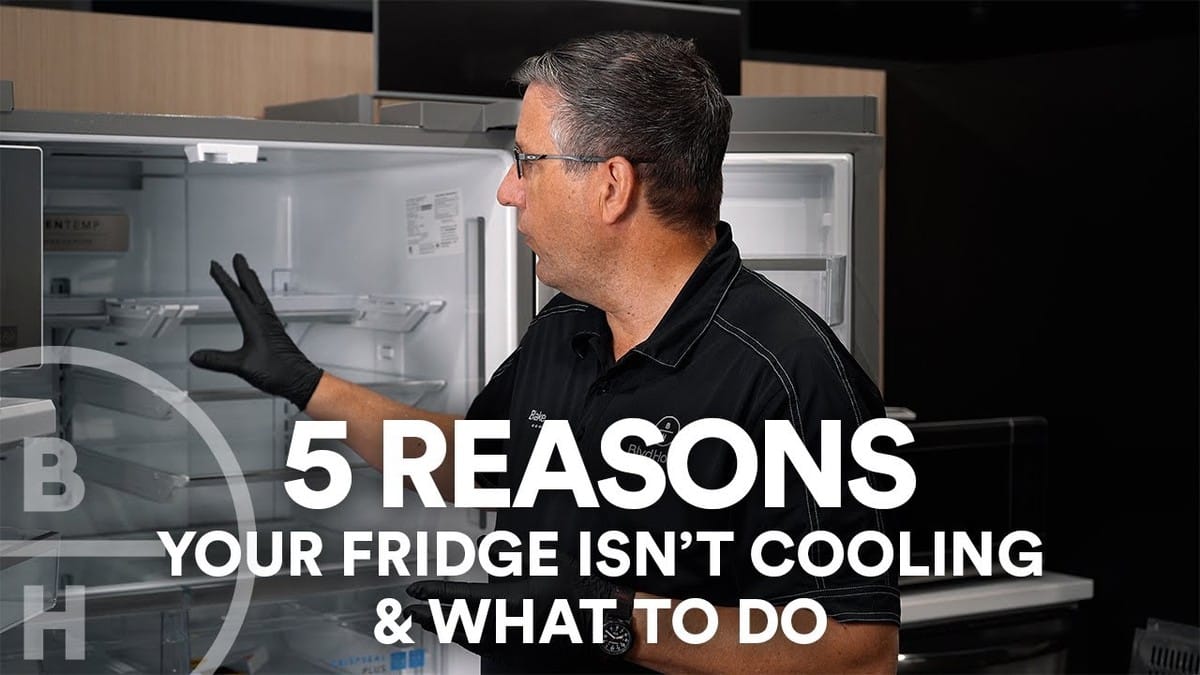
Start by ensuring your refrigerator is plugged in and the circuit breaker hasn't tripped. Check that the temperature controls are set correctly and that nothing is blocking the internal air vents. If these simple checks don't resolve the issue, or if you notice signs of serious problems like leaks or unusual noises, it's time to consider professional diagnosis or replacement.
Most Common Causes
| Possible Cause | What It Looks Like | What to Check First |
|---|---|---|
| Power Supply Issues | The refrigerator is completely dead, no lights, no sounds. | Check the wall outlet and the circuit breaker panel. Ensure the plug is firmly seated. |
| Incorrect Temperature Settings | The refrigerator is too warm, or not cooling effectively, but the freezer might be working. | Verify the thermostat or digital control panel is set to the recommended temperature. |
| Blocked Air Vents | Food items or containers are pushed against the vents inside the fridge or freezer compartments. | Visually inspect the interior vents for any obstructions. Rearrange items to allow airflow. |
| Dirty Condenser Coils | The refrigerator may run constantly but not cool properly, or it may be warmer than usual. | Locate the coils (usually on the back or underneath) and check for a significant buildup of dust and debris. |
| Faulty Door Seals/Gaskets | The refrigerator feels warm, or condensation forms around the door edges. | Inspect the rubber seals around the doors for tears or gaps. Check if the door closes tightly. |
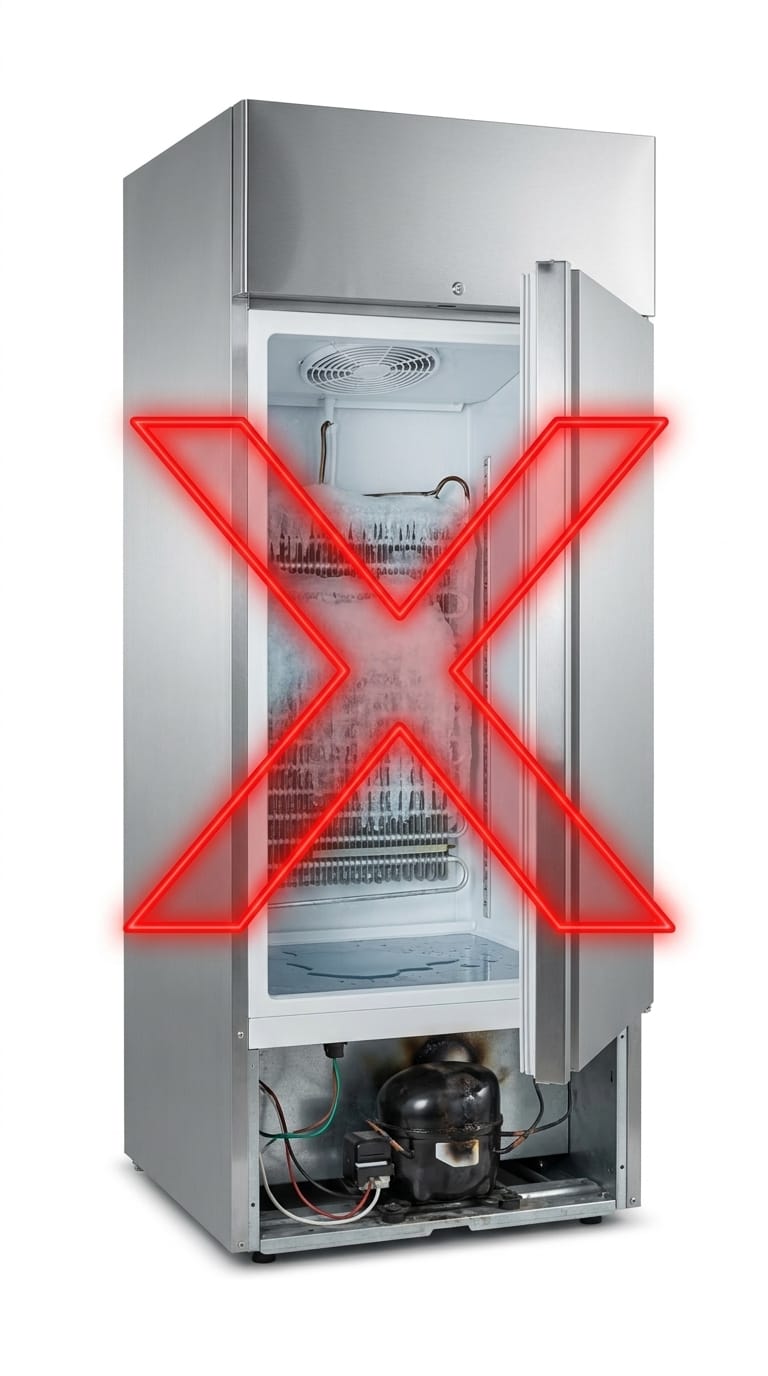
| Defrost System Failure | Excessive frost buildup in the freezer, leading to poor cooling in the refrigerator section. | Look for a thick layer of ice on the back wall of the freezer or on food items. |
Step-by-Step Checks You Can Do Safely
1. Start With the Simple Checks
Before diving into more complex diagnostics, rule out the easiest potential problems. First, confirm the refrigerator is receiving power. Check if the interior lights are on when you open the door. If not, investigate the power source. This might mean ensuring the plug is fully inserted into the wall socket or checking your home's electrical panel for a tripped circuit breaker. Sometimes, a simple reset of the breaker is all that's needed.
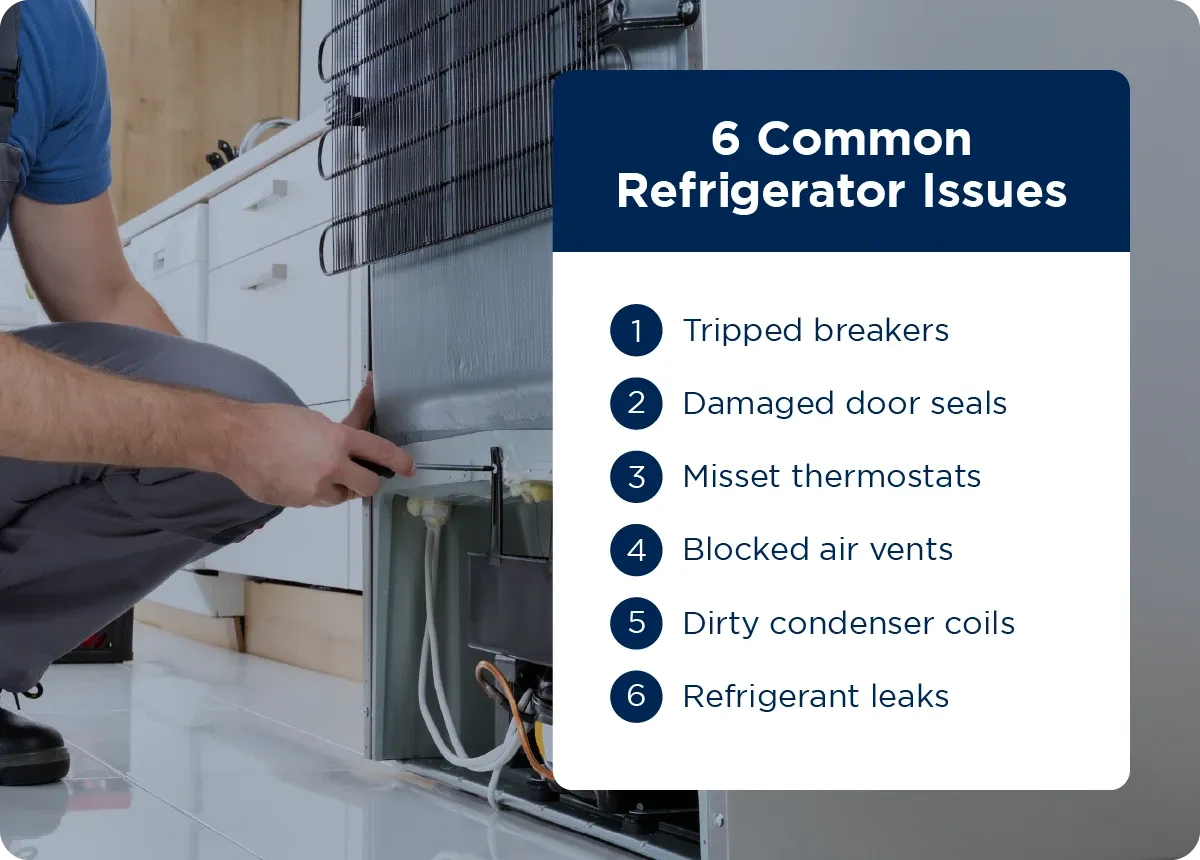
Next, examine the temperature settings. It's easy to accidentally adjust the thermostat, especially with digital controls. Ensure both the refrigerator and freezer compartments are set to their recommended temperatures, typically around 37-40°F (3-4°C) for the fridge and 0°F (-18°C) for the freezer. Also, check for blocked air vents inside both compartments. Food items, storage containers, or even ice buildup can obstruct these vents, preventing proper air circulation and cooling.
Consider the refrigerator's placement. Ensure it's not pushed too tightly against the wall or cabinets, as this can impede airflow to the condenser coils. For models with external water dispensers or ice makers, check if the water tank is properly filled and if there are any kinks in the water line. If your refrigerator has a water filter, a clogged filter can sometimes affect performance, though it's less common as a primary cause for complete failure.
2. Clean or Reset the Parts That Commonly Cause Trouble
Dirty condenser coils are a frequent cause of inefficient cooling, making your refrigerator work harder and potentially overheat. These coils, usually found on the back or underneath the unit, can accumulate dust, pet hair, and debris over time. Cleaning them can significantly improve performance. First, unplug the refrigerator for safety. Then, use a vacuum cleaner with a brush attachment or a coil cleaning brush to gently remove the buildup. Be careful not to bend the coils.
If your refrigerator seems completely unresponsive, a hard reset might help. This involves unplugging the unit from the wall for several minutes (often 5-15 minutes, but check your manual if possible) and then plugging it back in. This can sometimes clear minor electronic glitches. For models with ice makers or water dispensers that aren't functioning, check if the ice maker is turned on and if the water supply valve is open. Some models also have a small reset button for the ice maker.
Another check involves the door seals or gaskets. Over time, these can become dirty, brittle, or loose, allowing cold air to escape and warm air to enter. Clean the gaskets with mild soap and water. You can test their seal by closing the door on a piece of paper or a dollar bill; if you can pull it out easily, the seal might be compromised. A slightly misaligned door can also cause this issue.
3. Watch for Signs the Problem Is More Serious
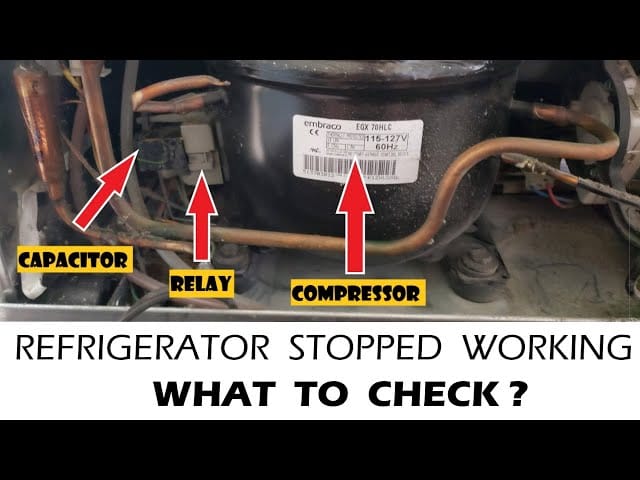
While many refrigerator issues are fixable with simple maintenance, some indicate a more significant component failure. Listen for unusual noises, such as grinding, buzzing, or clicking sounds that persist. These could point to problems with the compressor, fan motor, or start relay. If you notice any signs of electrical arcing, burning smells, or water leaks around the unit, stop immediately and unplug the refrigerator.
Frost buildup in the freezer can be a sign of a failing defrost system, which includes the defrost heater, thermostat, or timer. If you see thick ice accumulation on the back panel of the freezer, it's likely not a simple user error. Similarly, if the compressor is running constantly but the refrigerator is still not cooling, or if it's making loud, strange noises, it could be a sign of compressor failure, which is a costly repair.
If your refrigerator is making loud, unusual noises, smells of burning, or shows signs of electrical issues, do not attempt further troubleshooting. These are indicators of potentially dangerous problems that require a qualified technician.
What Not to Do
- Do not try to force the refrigerator doors shut if they feel obstructed; this could damage the seals or the frame.
- Avoid using abrasive cleaners or harsh chemicals on the interior or exterior surfaces, as they can cause damage and leave odors.
- Never attempt to repair or access internal components like the compressor, sealed refrigerant lines, or electrical control boards yourself. These tasks require specialized knowledge and tools and can be dangerous.
- Do not ignore persistent strange noises or smells; these are often early warnings of more serious issues.
- Avoid overpacking the refrigerator or freezer, as this restricts essential airflow and can lead to uneven cooling and potential system strain.
Safety and Editorial Note
This guide focuses on safe, practical checks and basic maintenance that homeowners can perform to diagnose common refrigerator problems. We prioritize your safety by advising against any repairs that involve electrical components, sealed systems, or refrigerant. Our goal is to help you identify the cause of your refrigerator not working and determine whether it's a simple fix or requires professional attention. We base our advice on typical appliance behavior and common failure points, adhering to general safety guidelines rather than specific manufacturer instructions, which can vary.
Should You Repair, Replace, or Upgrade?
Deciding whether to repair a malfunctioning refrigerator or replace it depends on several factors. Consider the age of the appliance; if it's over 10-15 years old, the cost of repairs might outweigh the investment in a new, more energy-efficient model. If the problem is a minor one, like cleaning coils or resetting a breaker, that's a clear win for a quick fix. However, if the diagnosis points to a major component failure, such as a compressor or a sealed system issue, the repair cost can often be substantial, sometimes approaching the price of a new refrigerator.
Recurring issues are another red flag. If your refrigerator has needed multiple repairs in a short period, it might be more economical in the long run to replace it. Also, consider the cost of energy. Older refrigerators can be significantly less energy-efficient than newer models. An upgrade could lead to savings on your electricity bill. Finally, think about your current needs. If your family has grown or your kitchen has been renovated, this might be a good opportunity to upgrade to a refrigerator with more features or a different configuration that better suits your lifestyle. Weigh the repair cost against the benefits of a new appliance, including warranty, energy savings, and updated features.
How to Prevent This Problem Next Time
- Regularly clean the condenser coils at least twice a year to ensure efficient heat exchange.
- Check and clean door seals monthly to maintain a tight seal and prevent cold air loss.
- Ensure adequate airflow around the refrigerator by maintaining a few inches of clearance from walls and cabinets.
- Avoid overfilling the refrigerator and freezer, allowing for proper air circulation.
- Set and maintain appropriate temperatures to prevent excessive strain on the cooling system.
- If your model has a water filter, replace it according to the manufacturer's recommendations to ensure proper water flow and ice production.
Related Buying Advice
If your refrigerator is beyond repair or you're considering an upgrade, focus on energy efficiency ratings (like ENERGY STAR certification) to save on utility bills. Consider the capacity and configuration that best suits your household size and needs, whether it's a top-freezer, bottom-freezer, side-by-side, or French door model. Features like adjustable shelves, crisper drawers with humidity control, and advanced temperature management systems can enhance food preservation. For those experiencing frequent cooling issues, look for models with dual-evaporator systems, which help maintain optimal humidity and temperature levels independently in the fridge and freezer compartments.
Frequently Asked Questions
Why is my refrigerator not working but my freezer is?
This often indicates a problem with the refrigerator's specific cooling system or airflow. The freezer typically has its own evaporator fan and cooling components. If the freezer is working, the compressor and main cooling system are likely functional. The issue could be a malfunctioning evaporator fan in the refrigerator section, blocked vents between the freezer and fridge, or a faulty temperature sensor for the refrigerator compartment.
Why is my fridge not working properly after a power outage?
After a power outage, refrigerators may need time to reset. Ensure it's plugged in and the circuit breaker is on. Some models have electronic controls that might need a brief reset (unplug for a few minutes, then plug back in). If the refrigerator still isn't cooling after several hours, it could be that the compressor or other components were stressed by the power surge or outage and may require professional inspection.
Why is my refrigerator not cooling or freezing?
If neither the refrigerator nor the freezer is cooling, the problem is likely with the main cooling system. This could be a failed compressor, a refrigerant leak, a faulty start relay, or a problem with the defrost system that has caused excessive ice buildup to block airflow entirely. These are generally more serious issues requiring a technician.
Why is my refrigerator not running at all?
If the refrigerator is not running at all, meaning no lights, no sounds, and no cooling, the primary suspects are a lack of power or a failed main control board. Check the power outlet and circuit breaker first. If power is confirmed, the issue might be with the power cord, the main thermostat, or the electronic control unit that manages the appliance's functions. A failed compressor start relay can also prevent the unit from running.
What temperature should my refrigerator be set to?
The ideal temperature for the refrigerator compartment is typically between 37°F and 40°F (3°C to 4°C). For the freezer compartment, it should be at or below 0°F (-18°C). Maintaining these temperatures ensures food safety and optimal appliance performance. Incorrect settings can lead to inadequate cooling or excessive energy consumption.