Air Fryer Not Working? Common Fixes & When to Replace
Editorial note: Rare One is reader-supported. We may earn a commission if you buy through links on our site, at no extra cost to you. Our recommendations focus on practical fit, features, value, and common buyer concerns.
📑 In This Article
- Why Is My Air Fryer Not Working - Quick Answer
- Most Common Causes
- Step-by-Step Checks You Can Do Safely
- What Not to Do
- Safety and Editorial Note
- Should You Repair, Replace, or Upgrade?
- How to Prevent This Problem Next Time
- Related Buying Advice
Why Is My Air Fryer Not Working - Quick Answer
If your air fryer is not working, the most common culprits are simple issues like a loose plug, an improperly seated basket, or an overloaded power circuit. Before assuming a major fault, check the power source, ensure all components are correctly assembled, and verify the outlet isn't shared with too many other appliances.
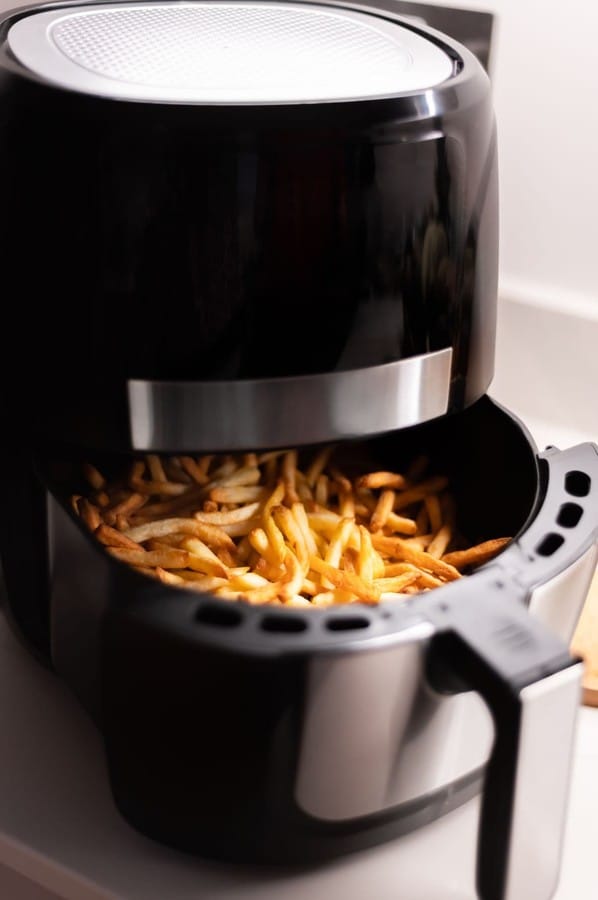
Start by checking the power cord and outlet, then ensure the air fryer basket or drawer is fully inserted. If the unit still shows no signs of life or is not heating, a tripped thermal fuse or a more complex internal issue may be present, at which point professional service or replacement might be necessary.
Most Common Causes
| Possible Cause | What It Looks Like | What to Check First |
|---|---|---|
| No Power / Tripped Circuit Breaker | The air fryer is completely dead; no lights, no sounds. Other appliances on the same circuit might also be affected. | Check your home's breaker box. Ensure the air fryer is plugged into a dedicated, functioning outlet. Try a different outlet. |
| Improperly Seated Basket/Drawer | The air fryer has safety mechanisms that prevent operation if the basket or drawer isn't fully locked in place. | Remove and re-insert the basket or drawer firmly until you hear or feel it click into place. |
| Overheating Protection / Tripped Thermal Fuse | The air fryer may have worked previously but suddenly stopped, possibly after a long cooking session. It might show some signs of life (like a light) but won't start heating or running the fan. | Allow the unit to cool completely for at least 30-60 minutes. Check for blocked air vents. A blown thermal fuse often requires professional replacement. |
| Blocked Airflow or Clogged Components | The air fryer might turn on but not heat effectively, or it might make unusual noises. This can be due to food debris or grease buildup. | Unplug the unit and inspect air vents, the fan area (if accessible), and the heating element for visible obstructions. Refer to your manual for cleaning instructions. |
| Faulty Power Cord or Internal Wiring | Intermittent power issues, or the unit completely failing to power on, can indicate a damaged cord or internal connection. | Visually inspect the power cord for any cuts or damage. If the cord appears fine but the issue persists, it may be an internal wiring problem. |
| Control Panel or Electronic Malfunction | Buttons may not respond, displays may be blank or flickering, or the unit may behave erratically. | Try unplugging the unit for a few minutes to perform a soft reset. If the problem continues, it likely indicates an electronic fault. |
Step-by-Step Checks You Can Do Safely
1. Start With the Simple Checks
Before diving into more complex diagnostics, let's cover the basics that often solve the problem. First, ensure the air fryer is plugged securely into a working electrical outlet. Test the outlet with another small appliance, like a lamp or phone charger, to confirm it's providing power.
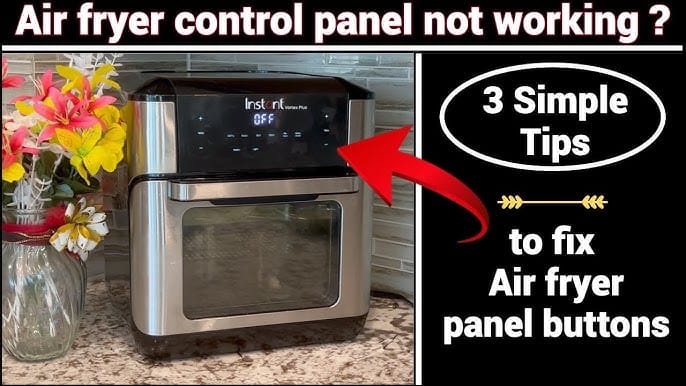
If the outlet is fine, check your home's circuit breaker panel. A tripped breaker can cut power to the outlet. Reset any tripped breakers. If your air fryer is plugged into a power strip or extension cord, try plugging it directly into the wall to rule out issues with those accessories. Also, ensure the air fryer isn't overloaded on a circuit shared with other high-draw appliances like microwaves or toasters.
Next, confirm that the air fryer's basket or drawer is properly inserted. Most models have a safety interlock that prevents operation if the basket isn't fully seated. Remove the basket and slide it back in firmly until it clicks into place. Check for any visible obstructions that might be preventing it from closing completely.
2. Clean or Reset the Parts That Commonly Cause Trouble
If your air fryer turns on but isn't heating, or if it stopped working suddenly, overheating protection might be engaged. Unplug the unit and let it cool down completely. This can take 30-60 minutes or longer. While it's cooling, check the air intake and exhaust vents for any blockages from dust or food debris. Clear any obstructions gently with a soft brush or cloth.
For models with removable parts like a drip tray or crisper plate, unplug the air fryer and remove these components. Clean them thoroughly according to your manufacturer's instructions. Sometimes, a buildup of grease or food particles can interfere with sensors or airflow, leading to operational issues. Ensure all parts are completely dry before reassembling.
A simple reset can sometimes resolve electronic glitches. Unplug the air fryer from the wall outlet and wait for at least 5-10 minutes. This allows any residual power to dissipate and can reset the internal electronics. After the waiting period, plug it back in and try turning it on again.
3. Watch for Signs the Problem Is More Serious
If after performing basic checks and cleaning, your air fryer still doesn't work, it might indicate a more serious internal component failure. Listen for any unusual sounds like grinding, sparking, or a burning smell when you attempt to turn it on. These are clear signs that you should stop immediately.
Look for any visible damage to the power cord, such as fraying or cuts. If the cord is damaged, it poses a significant safety risk and should not be used. Also, be cautious if you see any signs of liquid damage or if the unit has been dropped or impacted.
If the air fryer shows no power at all, even after confirming the outlet works and the breaker is on, it could be a faulty power cord, a blown internal fuse (like a thermal fuse), or a problem with the main control board. These types of repairs often require specialized knowledge and tools and are generally not recommended for DIY attempts.
What Not to Do
- Do not attempt to repair internal components. If the issue requires opening the sealed unit, dealing with wiring, or replacing parts like a thermal fuse, stop and consult a professional or consider replacement. Electrical components can be dangerous, and incorrect repairs can void warranties or create fire hazards.
- Do not use the air fryer if the power cord is damaged. A frayed or cut power cord is a serious safety risk. Continuing to use it could lead to electric shock or fire.
- Do not immerse the air fryer base in water. Like most small kitchen appliances with electrical components, the main unit should never be submerged. This can cause irreparable damage and create an electrical hazard.
- Avoid forcing parts. If the basket or drawer doesn't slide in easily, don't force it. Check for obstructions or misalignments. Forcing components can damage them or the appliance.
- Do not ignore warning signs. Strange noises, smoke, or burning smells are critical indicators that something is wrong. Continuing to operate the appliance in such conditions can lead to serious damage or injury.
Safety and Editorial Note
This guide focuses on safe, user-accessible troubleshooting steps for common air fryer issues. We prioritize clear indicators of when a problem is beyond a simple fix and requires professional attention or a replacement unit. Our advice is based on general appliance safety principles and common failure points, aiming to help you identify the cause of your air fryer not working without taking unnecessary risks.
We strongly advise against attempting any repairs that involve disassembling the main unit, working with electrical wiring, or handling components that require specialized knowledge. Always disconnect the appliance from the power source before performing any cleaning or checks. If you encounter issues beyond basic troubleshooting, it's always best to consult your product manual, contact the manufacturer's customer support, or seek assistance from a qualified appliance repair technician.
Should You Repair, Replace, or Upgrade?
Deciding whether to repair, replace, or upgrade your air fryer depends on several factors. If the issue is a simple fix, like a loose connection or a minor clog, a repair might be cost-effective. However, if the problem involves a faulty heating element, control board, or a blown thermal fuse, the cost of parts and professional labor could approach or even exceed the price of a new, comparable model.
Consider the age of your air fryer. Most small appliances have a lifespan of 3-5 years. If yours is approaching or past that mark, and a significant repair is needed, it might be a better investment to replace it with a newer, more energy-efficient model. Newer air fryers often come with improved features and better performance.
Recurring problems are also a red flag. If you've had to troubleshoot your air fryer multiple times, it might be a sign of an underlying design flaw or impending failure. In such cases, a replacement is usually the more practical long-term solution. Finally, think about your cooking needs. If your current air fryer is too small, lacks desired features, or you're simply looking for an upgrade in performance or capacity, this is an opportune time to explore new models.
How to Prevent This Problem Next Time
- Clean Regularly: After each use, clean the basket, drawer, and drip tray. Periodically, unplug the unit and clean the interior and exterior, paying attention to air vents.
- Don't Overload: Avoid overcrowding the basket. Proper airflow is crucial for even cooking and to prevent strain on the motor and heating element.
- Use Correct Accessories: Ensure you are using accessories specifically designed for air fryers. Some materials or designs can interfere with airflow or heat distribution.
- Check Air Vents: Always ensure the air intake and exhaust vents are clear before and during operation. Don't place the air fryer directly against a wall or in an enclosed cabinet.
- Inspect Power Cord: Periodically check the power cord for any signs of wear or damage. Store it neatly when not in use to prevent kinks or strains.
- Follow Manufacturer Guidelines: Refer to your air fryer's manual for specific cleaning and maintenance instructions and recommended operating procedures.
Related Buying Advice
When considering a new air fryer, especially if your current one has stopped working, look for models with robust build quality and reliable heating elements. Features like dishwasher-safe baskets can simplify cleaning, which is key to preventing future issues. Pay attention to the wattage; higher wattage generally means faster heating and cooking, but also higher energy consumption.
Consider the capacity you need based on your household size and typical cooking habits. For those who experienced issues with sudden failures, researching brands known for durability and good customer support can be a wise move. Some models offer advanced features like multiple cooking presets, smart connectivity, or dual-basket designs for cooking different foods simultaneously, which might be worth exploring if you're upgrading.
Frequently Asked Questions
Why is my air fryer not working but the light is on?
If the light is on but the air fryer isn't heating or running the fan, it often indicates a safety mechanism has been triggered or a specific component has failed. Common reasons include the basket not being fully seated, an overheating protection feature being active (allowing the unit to cool down may fix this), or a fault with the heating element or fan motor. Ensure the basket is locked in place, let the unit cool thoroughly, and then try again. If the problem persists, it may require professional service.
Why is my air fryer not heating up properly or at all?
Several factors can cause an air fryer to not heat up sufficiently. It could be due to an overloaded circuit, preventing the heating element from reaching full power. A dirty or blocked heating element or fan can also impede performance. In some cases, the thermal fuse may have blown, indicating the unit overheated at some point. Ensure proper airflow, clean the unit thoroughly, and if the issue continues, it might be a sign of internal component failure.
Why did my air fryer suddenly stop working?
Sudden shutdowns in air fryers are often related to overheating protection. The unit may have reached a temperature that triggered a safety cutoff. Allow it to cool down completely for at least 30-60 minutes. Another possibility is a loose connection in the power cord or an internal component failing. If it stops working again after cooling, check if it's plugged into a reliable outlet and isn't sharing a circuit with too many other appliances.
My air fryer is not turning on at all. What should I check?
If your air fryer shows no signs of life—no lights, no sounds—start with the power source. Confirm the plug is fully inserted into a working outlet. Test the outlet with another appliance. Check your home's circuit breaker to ensure it hasn't tripped. If the outlet and breaker are fine, the issue could be a faulty power cord or an internal power supply problem. Avoid attempting to repair internal wiring yourself.
Is it worth repairing an air fryer that stopped working?
For minor issues like a loose basket or a simple cleaning need, yes. However, if the problem involves internal electrical components such as the heating element, fan motor, or control board, repair costs can quickly add up and may exceed the price of a new air fryer. Consider the age of your appliance, the cost of parts and labor, and the availability of replacement units when making this decision.