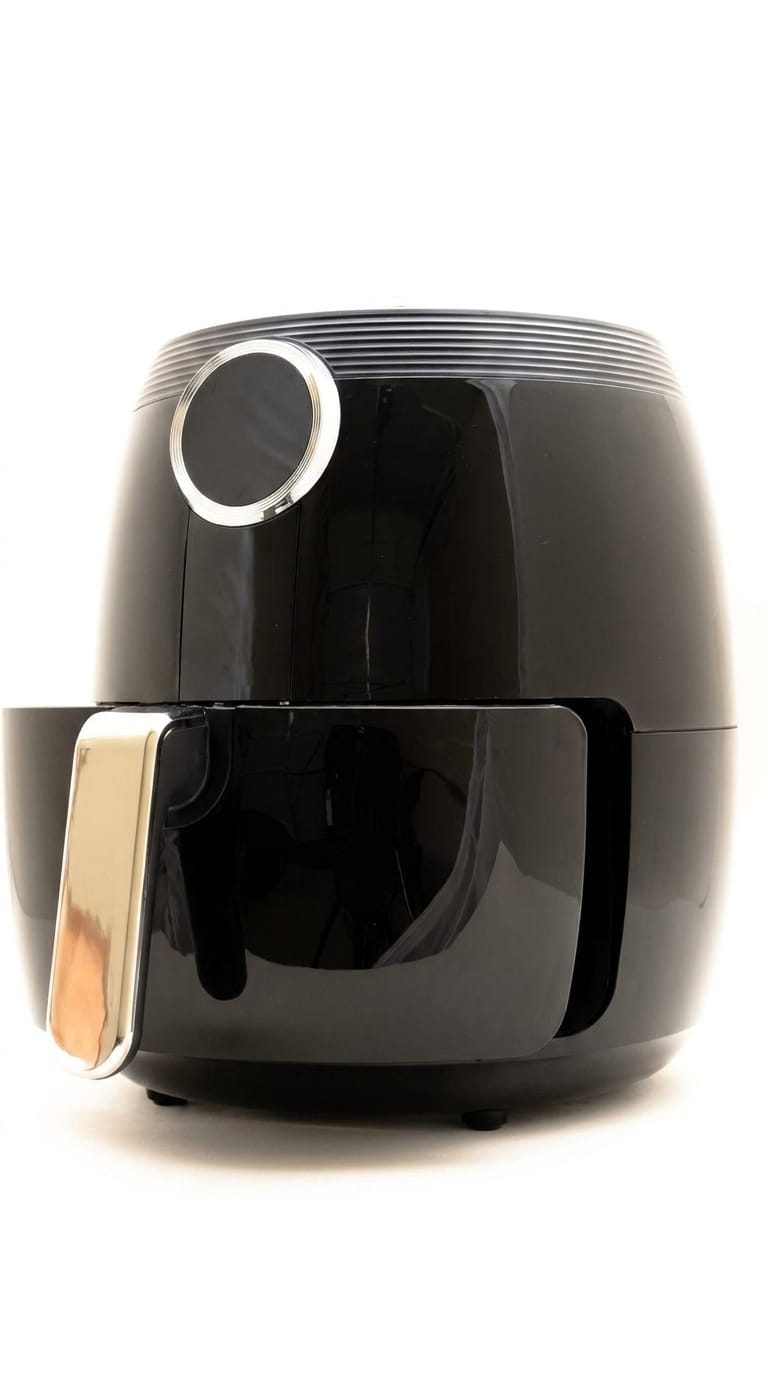
Why Does My Air Fryer Smell Bad? Fixes & Prevention
Editorial note: Rare One is reader-supported. We may earn a commission if you buy through links on our site, at no extra cost to you. Our recommendations focus on practical fit, features, value, and common buyer concerns.
📑 In This Article
- Why Does My Air Fryer Smell Bad - Quick Answer
- Most Common Causes When Your Air Fryer Smells Bad
- Step-by-Step Checks You Can Do Safely
- What Not to Do
- Safety and Editorial Note
- Should You Repair, Replace, or Upgrade?
- How to Prevent Your Air Fryer From Smelling Bad Next Time
- Related Buying Advice
Why Does My Air Fryer Smell Bad - Quick Answer
If your air fryer smells bad, the most common culprits are usually food residue, a new appliance's "burn-off" odor, or the remnants of strong-smelling ingredients. Addressing these issues often involves thorough cleaning, proper ventilation, or simply running the unit empty a few times to dissipate manufacturing smells.
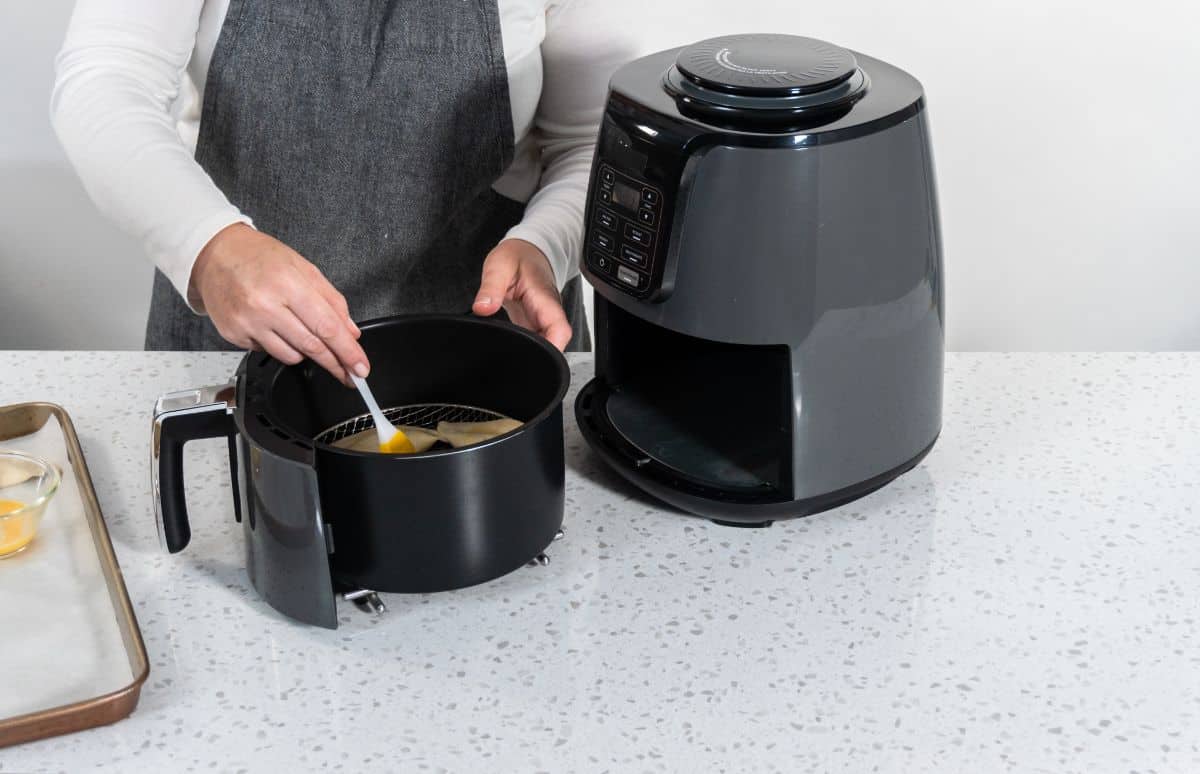
Quick Action Summary:
- Check First: Unplug the air fryer. Inspect for visible food crumbs, grease buildup, or melted plastic.
- Safe to Try: Clean the basket, drawer, and heating element thoroughly. Run a "burn-off" cycle with lemon slices or vinegar. Ensure good ventilation.
- When to Stop: If you detect a burning plastic smell that persists after initial burn-off cycles and cleaning, or if there's an electrical burning smell, unplug immediately and discontinue use. Contact the manufacturer or consider replacement if the smell is chemical, metallic, or doesn't resolve.
Most Common Causes When Your Air Fryer Smells Bad
Understanding the source of the odor is the first step to fixing it. Here's a breakdown of the most common reasons your air fryer might be emitting an unpleasant smell:
| Possible Cause | What It Looks Like | What to Check First |
|---|---|---|
| Food Residue & Grease Buildup | Lingering smells of old food (fish, garlic, burnt oil), especially after cooking. Visible crumbs or sticky film in the basket, drawer, or on the heating element. | Unplug and visually inspect the basket, drawer, and the heating coil/fan area for any food debris or grease. |
| "New Appliance" Chemical Smell | A distinct plastic, chemical, or metallic odor during the first few uses, often described as a "new car" smell. It usually dissipates over time. | Note if the smell occurs only during the first 2-3 uses. This is often normal but still requires a burn-off process. |
| Strong Food Odors | The air fryer retains the smell of intensely aromatic foods like fish, certain spices, or heavily seasoned meats, even after cleaning. | Consider the last few meals cooked. If they were pungent, the smell might be embedded in the components. |
| Melting Plastic or Electrical Issue | A strong, acrid burning plastic or electrical smell that doesn't go away, sometimes accompanied by smoke or unusual noises. | Immediately unplug the unit. Check for any melted plastic parts, damaged cords, or signs of overheating. |
| Manufacturing Oils/Coatings | Similar to a new appliance smell, some components might have protective oils or coatings that need to burn off during initial use. | Confirm if the smell is present from the very first use and if it's accompanied by slight smoke, which can be normal for burn-off. |
Step-by-Step Checks You Can Do Safely
Before you consider a replacement or professional help, there are several safe and effective steps you can take to diagnose and eliminate bad smells from your air fryer.
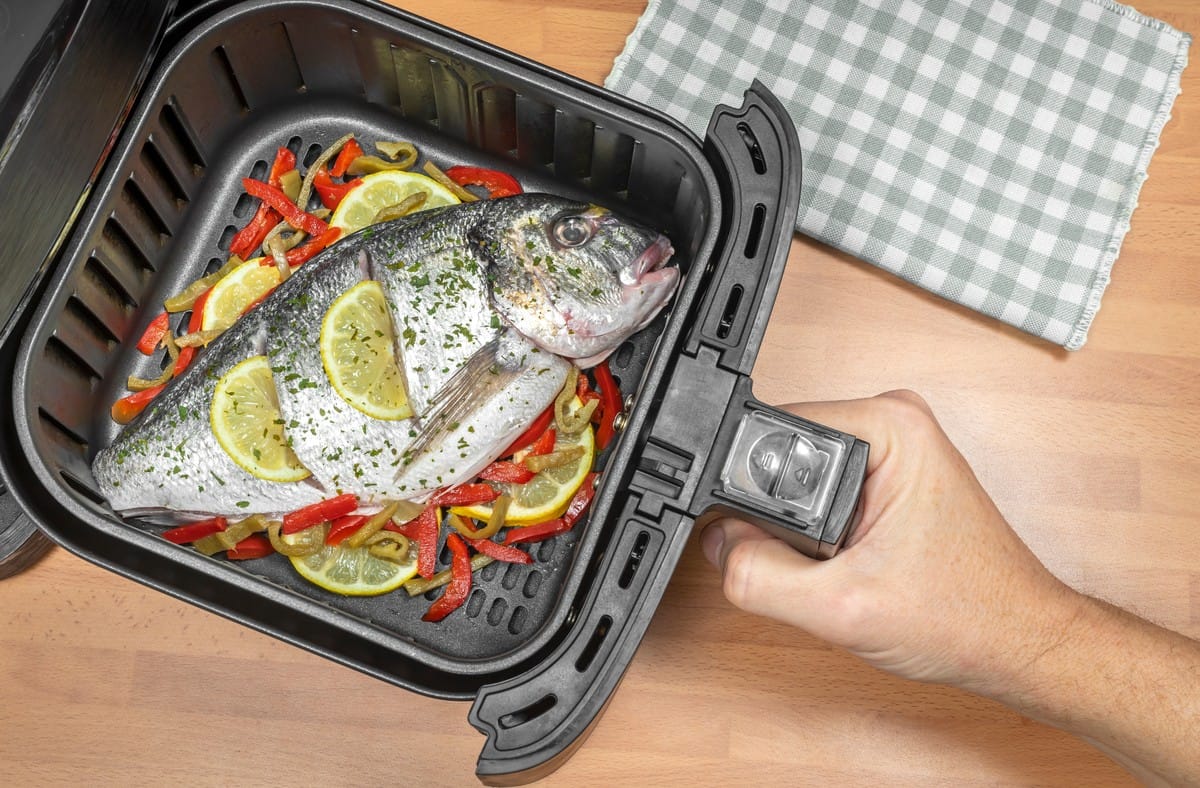
1. Start With the Simple Checks
Often, the solution to why your air fryer smells bad is straightforward. Begin by ruling out the easiest issues.
- Unplug and Inspect: Always unplug your air fryer before any inspection or cleaning. Pull out the basket and drawer. Look for any obvious food particles, grease splatters, or sticky residue on the inside walls, the heating element, and the fan area.
- Check for Melted Plastic: Carefully examine the basket, drawer, and any internal plastic components for signs of melting or warping. Sometimes, non-air fryer safe utensils or containers might have been accidentally left inside.
- Ventilation Check: Ensure your air fryer has adequate space around it for proper airflow. If it's too close to a wall or cabinet, heat can build up and potentially exacerbate smells or damage components.
- Initial "Burn-Off" for New Units: If your air fryer is new and emits a plastic or chemical smell, it's often a normal manufacturing odor burning off. Run the air fryer empty at its highest temperature for 10-20 minutes in a well-ventilated area. Repeat this 2-3 times if necessary.
2. Clean or Reset the Parts That Commonly Cause Trouble
Thorough cleaning is the most effective way to eliminate most bad odors. Focus on the areas where food and grease accumulate.
- Deep Clean the Basket and Drawer:
- Remove the basket and drawer. Wash them thoroughly with warm, soapy water. Use a non-abrasive sponge or brush to tackle stuck-on food or grease.
- For stubborn residue, soak the basket and drawer in hot, soapy water for 15-30 minutes before scrubbing.
- Many air fryer baskets and drawers are dishwasher-safe, but always check your model's manual.
- Clean the Heating Element and Interior:
- With the air fryer unplugged and cooled, use a damp cloth and a small amount of mild dish soap to wipe down the interior chamber.
- Pay special attention to the heating coil, gently wiping away any grease or burnt-on residue. A soft brush (like a toothbrush) can help reach crevices.
- Ensure all soap residue is wiped away with a clean, damp cloth, and allow all parts to dry completely before reassembling and using the air fryer.
- Deodorizing with Natural Methods:
- Lemon Trick: Cut a lemon into thick slices and place them in the air fryer basket. Run the air fryer at 350°F (175°C) for 10-15 minutes. The lemon oils can help neutralize lingering food smells.
- Vinegar Soak/Wipe: For persistent odors, you can place a small, oven-safe bowl with white vinegar in the air fryer and run it for 5-10 minutes. Alternatively, wipe the interior with a cloth dampened with a vinegar-water solution. Always ensure good ventilation during this process.
- Baking Soda Paste: For very stubborn grease or odors, create a paste with baking soda and water. Apply it to affected areas, let it sit for 15-20 minutes, then scrub gently and rinse thoroughly.
- Clean After Cleaning: If your air fryer still smells bad after cleaning it, it might be due to residual cleaning solution or moisture. Ensure everything is completely dry and run another empty "burn-off" cycle to dissipate any lingering non-food smells.
3. Watch for Signs the Problem Is More Serious
While many bad smells are harmless, some indicate a more serious issue that requires caution.
- Burning Plastic Smell (Persistent): If a strong, acrid plastic smell persists after initial burn-off cycles, cleaning, and thorough inspection for melted parts, it could indicate an internal component issue.
- Electrical Burning Smell: This is a distinct, sharp smell, often like ozone or burning wires. If you detect this, immediately unplug the air fryer and do not use it again. This could be a fire hazard.
- Smoke (Beyond Initial Burn-Off): A small amount of smoke during the first few uses is normal for new units. However, if your air fryer continuously produces excessive smoke or smoke that smells distinctly chemical or electrical, stop using it.
- Unusual Noises: Grinding, buzzing, or sparking sounds accompanied by a bad smell suggest an internal mechanical or electrical fault.
Warning: If you suspect an electrical fault, internal component damage, or if the smell is accompanied by persistent smoke or unusual noises, unplug the air fryer immediately. Do not attempt to open sealed components or perform electrical repairs yourself. Contact the manufacturer's support or a qualified appliance technician.
What Not to Do
When trying to fix a bad smell in your air fryer, avoid these common mistakes:
- Don't Use Harsh Abrasives or Chemicals: Abrasive scrubbers can damage non-stick coatings, and strong chemical cleaners can leave behind residues that are unsafe for cooking and can contribute to new odors. Stick to mild dish soap and soft sponges.
- Don't Immerse the Main Unit in Water: Never submerge the main housing of your air fryer, which contains electrical components, in water. This poses a severe electrocution risk and will damage the appliance.
- Don't Ignore Persistent Electrical Smells: A burning electrical smell is a serious warning sign. Continuing to use the appliance can lead to fire or further damage.
- Don't Disassemble Without Expertise: Opening the main body of the air fryer to "fix" internal components can void warranties, expose you to electrical hazards, and may lead to improper reassembly, making the problem worse or unsafe.
Safety and Editorial Note
This guide focuses on safe homeowner checks, common maintenance causes, and clear decision points regarding your air fryer's bad smell. We prioritize practical symptoms, manufacturer-style safety limits, and clear escalation signs over risky DIY repairs. Always refer to your specific air fryer's user manual for model-specific cleaning and safety instructions. When in doubt about electrical issues or internal component problems, it's always safest to consult a qualified professional or consider replacing the unit.
Should You Repair, Replace, or Upgrade?
Deciding whether to repair your air fryer or invest in a new one depends on several factors:
- Age of the Appliance: If your air fryer is relatively new (1-3 years old) and still under warranty, a repair might be covered. For older units (5+ years), especially if the issue is recurring or complex, replacement often makes more sense.
- Cost of Repair vs. Replacement: If the repair involves a significant internal component, the cost can quickly approach that of a new, entry-level air fryer. Weigh the repair estimate against the price of a new unit.
- Nature of the Problem: Simple cleaning issues or minor parts (like a damaged basket) are usually worth fixing. Electrical problems, persistent chemical smells indicating internal breakdown, or issues with the heating element or fan typically warrant replacement due to safety and cost.
- Safety Concerns: Any issue that compromises electrical safety, such as persistent burning smells or sparks, means it's time to replace the unit immediately, regardless of age or cost.
- Energy Efficiency & Features: Newer air fryers often come with improved energy efficiency, larger capacities, or more advanced features. If you've been considering an upgrade anyway, a bad smell might be the push you need. For example, if you're frequently finding your air fryer not working, it might be time for a change.
How to Prevent Your Air Fryer From Smelling Bad Next Time
A few simple habits can keep your air fryer smelling fresh and performing optimally:
- Clean After Every Use: Don't let food residue and grease sit. Wash the basket and drawer after each cooking session. This is the single most important step to avoid a bad smell.
- Deep Clean Regularly: Beyond daily cleaning, perform a deeper clean of the heating element and interior chamber every 5-10 uses, or as needed, especially after cooking greasy or strong-smelling foods.
- Ventilate During Use: Always use your air fryer in a well-ventilated area. Opening a window or running an extractor fan can help dissipate cooking odors and any new appliance smells.
- Use Air Fryer Liners: Silicone or parchment paper liners can catch drips and crumbs, making cleanup much easier and preventing residue buildup on the basket and drawer.
- Run Empty Deodorizing Cycles: Periodically, run an empty cycle with lemon slices or a small bowl of vinegar (as described above) to neutralize lingering odors from strong foods.
- Store Properly: Ensure the air fryer is completely dry before storing it. Leaving moisture inside can lead to mildew or stale smells.
Related Buying Advice
If you find yourself needing to replace your air fryer due to a persistent bad smell or other issues, consider these features for a better experience:
Look for models with easily removable, dishwasher-safe components for hassle-free cleaning. Some air fryers feature non-stick coatings that are genuinely durable and less prone to retaining odors. Consider stainless steel interiors, which tend to absorb fewer smells than certain plastics over time. A good ventilation system is also key; while all air fryers vent, some designs manage cooking odors more effectively. Pay attention to user reviews regarding "new appliance" smells and how quickly they dissipate, as this can vary by brand and model. If your current unit's capacity leads to overcrowding and uneven cooking (which can cause burning and smells), opt for a larger size next time.
Frequently Asked Questions
Why does my air fryer smell bad?
Your air fryer likely smells bad due to accumulated food residue, grease buildup, or strong food odors from previous meals. For new units, a "burn-off" smell from manufacturing oils is also common. Less often, it could indicate a more serious electrical or melting plastic issue.
Why does my air fryer smell bad after cleaning it?
If your air fryer still smells bad after cleaning, it could be due to incomplete drying, residual cleaning agents, or missed spots of grease on the heating element or in hard-to-reach crevices. Ensure all parts are thoroughly dry and consider a deodorizing cycle with lemon or vinegar.
Why does my Ninja air fryer smell bad?
Ninja air fryers can smell bad for the same reasons as any other brand: food residue, grease, or new appliance odors. Some users report a more noticeable "new plastic" smell initially with certain models. Thorough cleaning and initial burn-off cycles are typically effective.
How do I stop my air fryer from smelling?
To stop your air fryer from smelling, clean the basket, drawer, and heating element after every use. For lingering odors, run an empty cycle with lemon slices or a small bowl of white vinegar. Ensure proper ventilation during cooking and storage, and perform regular deep cleans.
Why does my air fryer smell like fish?
An air fryer smelling like fish is almost always due to residual fish oils or particles left over from cooking. Fish has a particularly strong odor that can cling to surfaces. A thorough cleaning, followed by a lemon or vinegar deodorizing cycle, should help eliminate the smell.