Best Smart Home Device Under $100: Top Picks for 2024
Editorial note: Rare One is reader-supported. We may earn a commission if you buy through links on our site, at no extra cost to you. Our recommendations focus on practical fit, features, value, and common buyer concerns.
📑 In This Article
- Best Smart Home Device Under $100 - Ranked by Features, Fit, and Value
- Our Top Picks at a Glance
- #1. Smart Plugs - Best for Automating Existing Appliances
- #2. Smart Light Bulbs - Best for Ambiance and Lighting Control
- #3. Entry-Level Smart Displays - Best for Voice Control with Visual Feedback
- #4. Indoor Smart Security Cameras - Best for Basic Home Monitoring
- #5. Smart Door/Window Sensors - Best for Basic Security and Automation Triggers
- #6. Smart Switches - Best for Whole-Room Lighting Control
Best Smart Home Device Under $100 - Ranked by Features, Fit, and Value
Building a smart home doesn't have to break the bank. Many powerful and convenient devices are available for under $100, offering excellent value and a great entry point into home automation. We've sifted through the options to bring you a curated list of the best smart home device under $100 for various needs, helping you make informed choices.
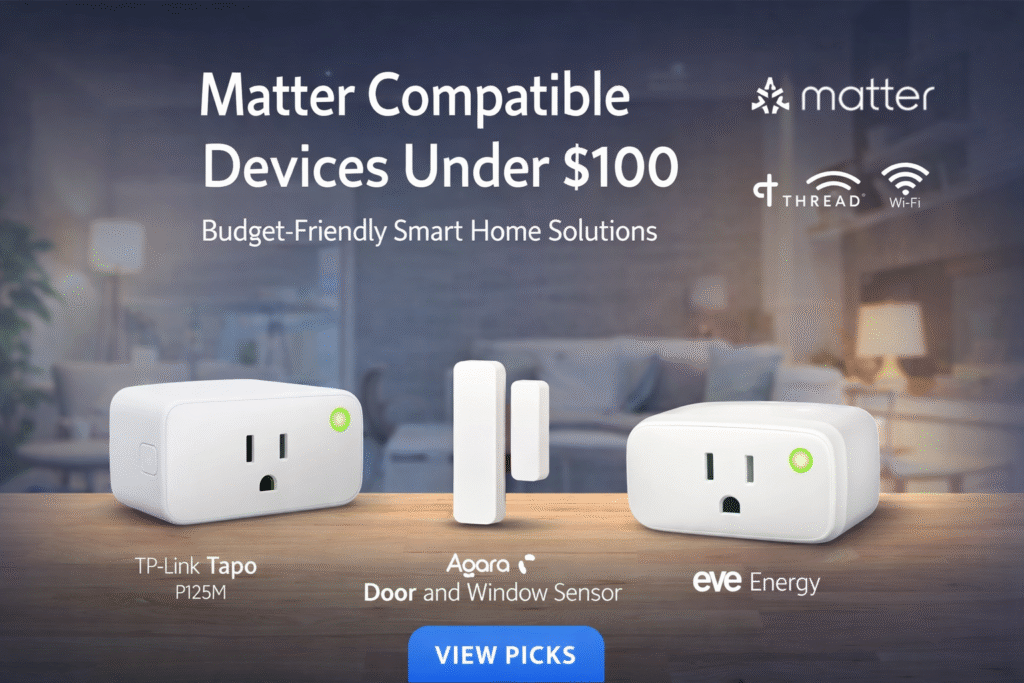
For most users, a versatile smart plug offers the best overall value, transforming any 'dumb' appliance into a smart one with minimal effort. If you're looking for immediate impact and ambiance, smart light bulbs are an excellent budget-friendly pick, providing noticeable upgrades without a steep investment.
Our Top Picks at a Glance
| Rank | Pick | Best For | What to Verify Before Buying | |
|---|---|---|---|---|
| #1 | Smart Plugs (e.g., Kasa, TP-Link Tapo) | Beginners and automating existing appliances | Compatibility with your smart home ecosystem (Alexa, Google Home), energy monitoring features, compact design. | |
| #2 | Smart Light Bulbs (e.g., Philips Hue White, TP-Link Tapo) | Creating ambiance and basic lighting control | Color options (white vs. color-changing), hub requirements, brightness (lumens), bulb base type. | |
| #3 | Entry-Level Smart Displays (e.g., Amazon Echo Show 5) | Voice control, visual feedback, and video calls | Screen size, camera privacy features, ecosystem integration, audio quality. | |
| #4 | Indoor Smart Security Cameras (e.g., Wyze Cam, Blink Mini) | Basic home monitoring and pet watching | Resolution (1080p), local vs. cloud storage options, motion detection accuracy, field of view. | |
| #5 | Smart Door/Window Sensors (e.g., Aqara, Ring Alarm Contact Sensor) | Basic security and automation triggers | Hub requirements, battery life, compatibility with your existing security system or smart home platform. | |
| #6 | Smart Switches (e.g., Kasa Smart Light Switch) | Whole-room lighting control without changing bulbs | Neutral wire requirement, compatibility with your existing light fixtures (dimmable vs. non-dimmable), installation complexity. |
#1. Smart Plugs - Best for Automating Existing Appliances
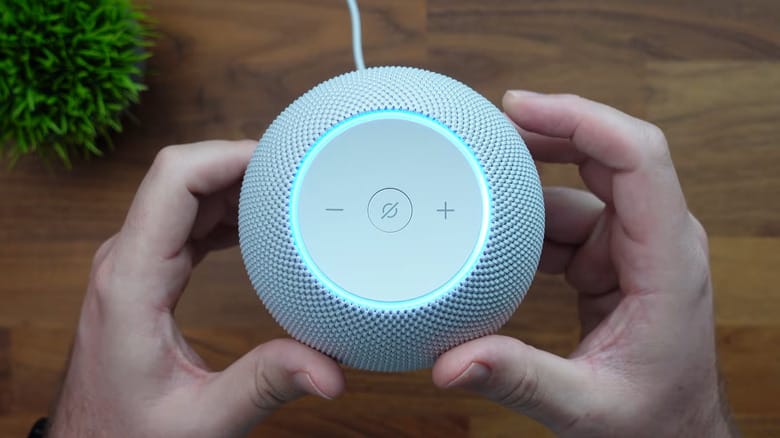
Smart plugs are often the gateway to a smart home, and for good reason. They are incredibly versatile, allowing you to control almost any plug-in appliance with your voice or a schedule, all well within the under-$100 budget. They are an excellent way to dip your toes into smart home automation without a significant investment.
Key Buying Criteria
- Ecosystem Compatibility: Ensure it works seamlessly with your preferred voice assistant (Alexa, Google Assistant).
- Energy Monitoring: Some models offer insights into how much power your devices are consuming.
- Compact Design: Look for plugs that don't block adjacent outlets, especially in power strips.
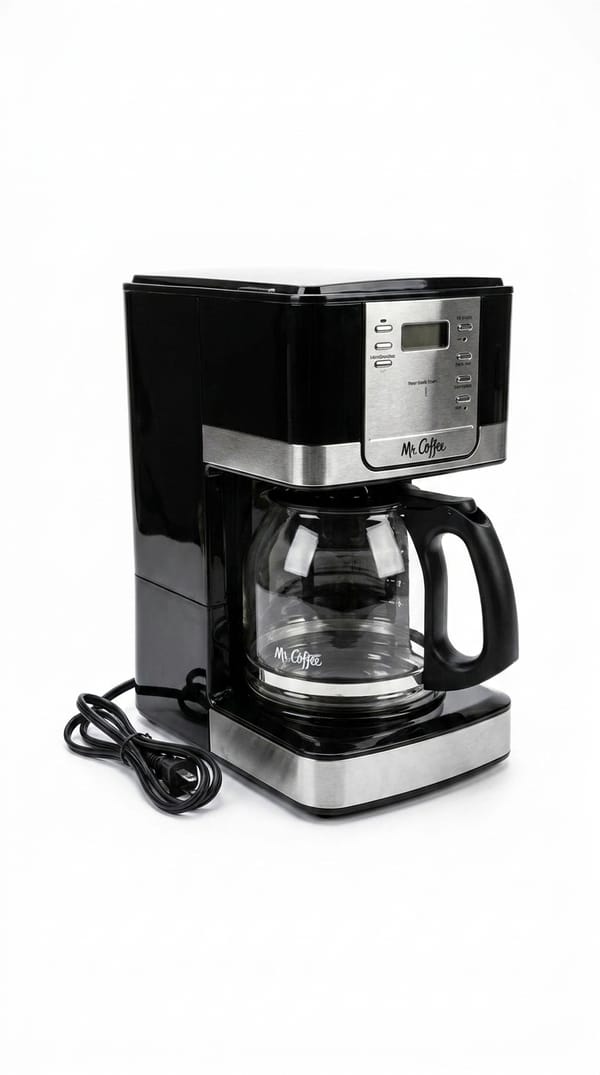
- Scheduling & Timers: Essential for setting lights, coffee makers, or fans to turn on/off automatically.
- App Control: A user-friendly app for remote control and customization is key.
What Stands Out
- Inexpensive and highly versatile for automating existing devices.
- Simple setup, often just plug-and-play with Wi-Fi.
- Great for beginners to experience smart home convenience.
What to Watch Out For
- Not ideal for appliances with complex "on" states (e.g., TVs that require a power button press).
- Some models can be bulky, blocking other outlets.
#2. Smart Light Bulbs - Best for Ambiance and Lighting Control
Smart light bulbs provide an instant upgrade to any room, offering dimming, color changes, and scheduling capabilities. Many options are available individually or in multi-packs that easily stay under the $100 mark, making them a popular choice for adding flair and convenience to your living space. This is a highly impactful best smart home device under $100 category.
Key Buying Criteria
- Color Temperature & RGB: Decide if you need just tunable white light or full-color customization.
- Brightness (Lumens): Ensure the bulb is bright enough for your space; typically 800 lumens is equivalent to a 60W incandescent.
- Hub vs. Wi-Fi: Some brands require a separate hub for full functionality, while others connect directly to Wi-Fi.
- Bulb Base Type: Verify it matches your existing fixtures (e.g., E26, B22, GU10).
- Energy Efficiency: Look for LED bulbs that save energy over traditional incandescent.
What Stands Out
- Transform the look and feel of a room instantly with color and dimming.
- Easy to install, just screw in like a regular bulb.
- Great for setting scenes, schedules, and mood lighting.
What to Watch Out For
- Can get expensive if you need to outfit many fixtures.
- Some require a hub, adding to the initial cost and complexity.
#3. Entry-Level Smart Displays - Best for Voice Control with Visual Feedback
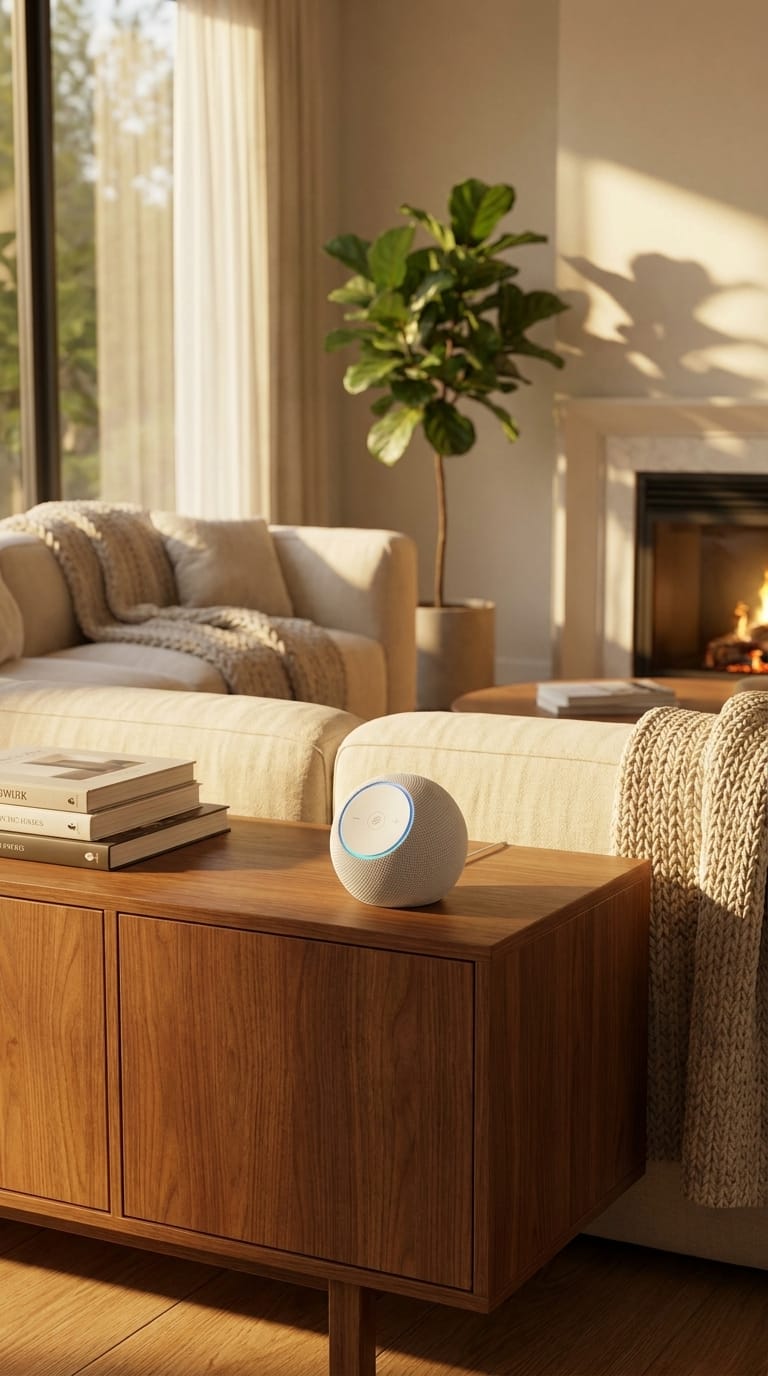
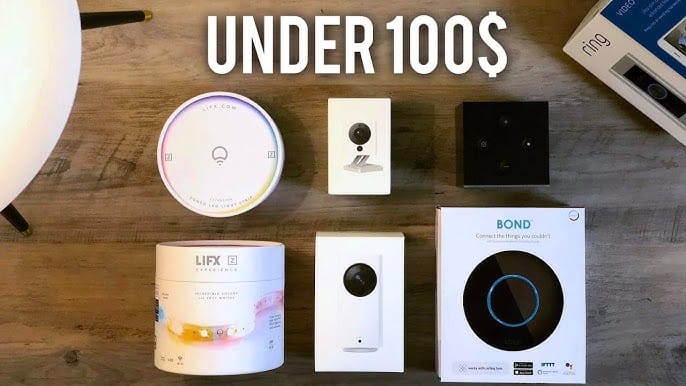
A compact smart display combines the best features of a smart speaker with a screen, offering visual feedback for weather, recipes, video calls, or even displaying security camera feeds. Devices like the Amazon Echo Show 5 often fall under $100, especially during sales, making them a powerful hub for your smart home interactions.
Key Buying Criteria
- Screen Size: Consider if a 5-inch screen is sufficient for your needs or if a larger one is preferred.
- Camera & Privacy: Look for physical camera shutters or electronic privacy controls.
- Ecosystem Integration: Ensure it integrates well with your existing smart devices and streaming services.
- Audio Quality: While not audiophile-grade, decent sound for music and voice responses is beneficial.
- Video Call Support: Check if it supports the video calling apps you use.
What Stands Out
- Provides both voice and visual information, enhancing usability.
- Excellent for video calls with family and friends.
- Can act as a central control panel for other smart devices.
What to Watch Out For
- Screen size might be too small for some users for extended video viewing.
- Privacy concerns regarding the built-in camera and microphone.
#4. Indoor Smart Security Cameras - Best for Basic Home Monitoring
For peace of mind or simply keeping an eye on pets while you're away, an indoor smart security camera is a fantastic option under $100. These cameras offer features like motion detection, two-way audio, and cloud or local storage, making them a practical and affordable security solution. This is a highly sought-after best smart home device under $100 for security.
Key Buying Criteria
- Resolution: 1080p Full HD is standard for clear video footage.
- Storage Options: Look for local storage (microSD card) to avoid subscription fees, or check cloud storage plan costs.
- Motion Detection: Adjustable sensitivity and activity zones are important to reduce false alerts.
- Two-Way Audio: Allows you to speak and listen through the camera.
- Field of View: A wider angle means less need for multiple cameras.
What Stands Out
- Affordable way to monitor your home or pets remotely.
- Provides alerts for motion or sound detection.
- Many offer two-way audio for communication.
What to Watch Out For
- Some features (like advanced person detection) may require a subscription.
- Wi-Fi connectivity can be a limiting factor in larger homes.
#5. Smart Door/Window Sensors - Best for Basic Security and Automation Triggers
These small, discreet sensors can notify you when a door or window is opened, adding a layer of security and enabling clever automations. They are typically very affordable, often sold in multi-packs that keep the overall cost well within budget. They're excellent for triggering lights or alarms when an entry point is breached.
Key Buying Criteria
- Hub Requirements: Many operate on Zigbee or Z-Wave and require a compatible hub; Wi-Fi versions are less common at this price.
- Battery Life: Aim for sensors with long-lasting batteries (1-2 years is common).
- Compatibility: Ensure they integrate with your chosen smart home ecosystem (e.g., Samsung SmartThings, Ring Alarm).
- Installation: Look for easy peel-and-stick installation.
- Response Time: Quick notification when triggered is essential.
What Stands Out
- Cost-effective way to monitor entry points.
- Can trigger automations like turning on lights or sending alerts.
- Discreet and easy to install.
What to Watch Out For
- Often require a separate hub, adding to the initial setup cost if you don't have one.
- May not be suitable for outdoor use.
#6. Smart Switches - Best for Whole-Room Lighting Control
If you prefer to keep your existing light fixtures and bulbs but want smart control over an entire room's lighting, smart switches are an excellent choice. They replace your standard wall switches and allow for app control, voice commands, and scheduling. While installation is more involved than a smart bulb, the benefit is controlling multiple lights from a single point.
Key Buying Criteria
- Neutral Wire: Most smart switches require a neutral wire in the electrical box; verify your home's wiring.
- Dimming vs. On/Off: Decide if you need dimming functionality or just basic on/off control.
- Compatibility: Ensure it works with your smart home hub or Wi-Fi network.
- Installation: Consider if you're comfortable with basic electrical work or need professional help.
What Stands Out
- Controls all lights connected to a single switch, regardless of bulb type.
- Maintains the aesthetic of your existing fixtures.
- Great for rooms with multiple recessed lights or complex setups.
What to Watch Out For
- Requires basic electrical knowledge for installation.
- May not be compatible with older homes lacking a neutral wire.
How We Chose These Picks
Our selection process for the best smart home device under $100 focused on categories of products that consistently deliver strong value and utility within this budget. Since specific product models and their exact prices fluctuate, we prioritized product types that reliably offer robust features and performance without exceeding the $100 threshold.
We evaluated each category based on several key criteria: ease of setup, versatility, practical impact on daily life, compatibility with major smart home ecosystems (like Amazon Alexa and Google Home), and user-reported reliability. We looked for devices that provide a significant step-up in convenience or security for a minimal investment, making smart home technology accessible to a wider audience.
Buying Guide: What to Look For
Navigating the world of smart home devices can be overwhelming, but focusing on a few key factors will help you find the right fit for your needs and budget.
Ecosystem Compatibility is Key
Before buying any smart device, consider which smart home ecosystem you already use or plan to build around. Most devices are designed to work with Amazon Alexa, Google Assistant, or Apple HomeKit. Choosing devices that are compatible with your preferred platform ensures seamless integration and control. A device that doesn't "speak" the same language as your other smart gadgets will lead to frustration, not convenience.
Prioritize Your Needs and Use Cases
Think about what problem you're trying to solve or what convenience you want to add. Do you want to save energy, enhance security, or simply automate your lights? If you're struggling with allergies, consider how a smart air purifier might fit into your setup; while a best air purifier for allergies might be above this budget, smart sensors that monitor air quality can be a good starting point. If you live in a small apartment, devices like a best robot vacuum for small apartment are tailored to specific needs, though many robot vacuums exceed the $100 limit.
Consider Installation and Ongoing Costs
Some devices, like smart plugs and bulbs, are incredibly easy to install. Others, like smart switches, require basic electrical knowledge or professional help. Additionally, be aware of potential ongoing costs. While the device itself might be under $100, some cameras or advanced features might require a monthly subscription for cloud storage or premium services. Always check for hidden costs before committing.
Wi-Fi vs. Hub-Based Devices
Many budget-friendly smart devices connect directly to your home's Wi-Fi network, making setup straightforward. However, some devices, particularly sensors or certain lighting systems, use Zigbee or Z-Wave protocols and require a dedicated hub. While a hub adds to the initial cost, it can offer more reliable connections, better range, and often consume less power from individual devices. Factor in whether you need or want a hub as part of your smart home strategy.
Frequently Asked Questions
What is the best smart home device under $100 for beginners?
For beginners, a smart plug is often the ideal starting point. They are inexpensive, incredibly easy to set up, and allow you to automate almost any non-smart appliance, providing an immediate and noticeable upgrade to your home's convenience. Smart light bulbs are another excellent choice for a quick and impactful introduction.
Can I build a smart home on a budget of under $100?
Absolutely! While you won't be able to automate your entire house for under $100, you can certainly start with a few key devices. Focusing on one or two high-impact categories like smart plugs, smart light bulbs, or an entry-level smart speaker can provide significant convenience and set the foundation for future expansion.
Do I need a hub for smart home devices under $100?
Many budget-friendly smart devices connect directly to your home's Wi-Fi network and do not require a separate hub. However, some categories, particularly smart sensors or certain brands of lighting, may utilize protocols like Zigbee or Z-Wave, which do necessitate a compatible hub for full functionality. Always check the product specifications to confirm if a hub is needed.
Are smart home devices under $100 reliable?
Yes, many smart home devices under $100 from reputable brands offer excellent reliability and performance. While you might not get all the premium features found in more expensive models, devices in this price range often provide core functionalities reliably. We always recommend checking user reviews for consistency and long-term performance.
What are the benefits of adding smart devices to my home?
Adding smart devices can bring numerous benefits, including increased convenience through voice control and automation, enhanced security with cameras and sensors, potential energy savings through smart thermostats or energy-monitoring plugs, and improved ambiance with smart lighting. Even a single best smart home device under $100 can make a noticeable difference in your daily routine.