Best Coffee Maker for Office: Top Picks & Buying Guide
Editorial note: Rare One is reader-supported. We may earn a commission if you buy through links on our site, at no extra cost to you. Our recommendations focus on practical fit, features, value, and common buyer concerns.
📑 In This Article
- Best Coffee Maker For Office - Ranked by Features, Fit, and Value
- Our Top Picks at a Glance
- #1. Commercial Drip Coffee Maker - Best for Medium to Large Offices
- #2. Pod-Based Single-Serve Brewer - Best for Small Offices or Individual Desks
- #3. Bean-to-Cup Automatic Espresso Machine - Best for Premium Beverages
- #4. Thermal Carafe Drip Coffee Maker - Best for Small to Medium Offices
- #5. French Press / Pour-Over Setup - Best for Artisanal & Very Small Teams
- #6. Large Capacity Filter Coffee Machine - Best for Very Large Offices (20+ people)
Best Coffee Maker For Office - Ranked by Features, Fit, and Value
Finding the best coffee maker for your office can significantly boost productivity and morale, whether you're fueling a small team or a bustling breakroom. We've sifted through the options to help you choose a reliable, efficient, and great-tasting solution that fits your specific workplace needs, from compact single-serve units to robust commercial-grade machines.
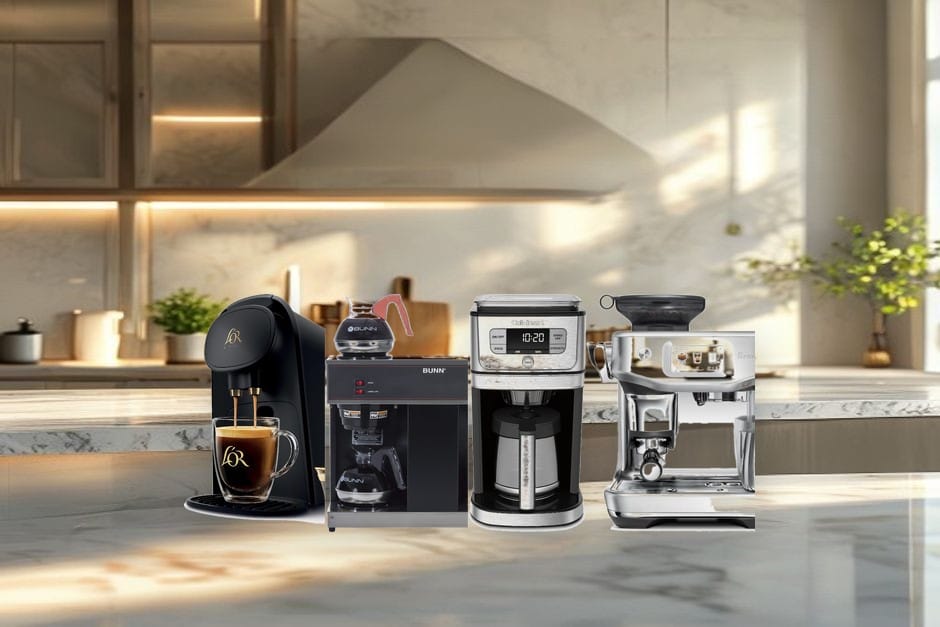
For most offices, a Commercial Drip Coffee Maker strikes the best balance of capacity, speed, and cost-effectiveness, making it our top overall pick. If budget and counter space are tight, the Pod-Based Single-Serve Brewer offers excellent convenience and variety for individual users.
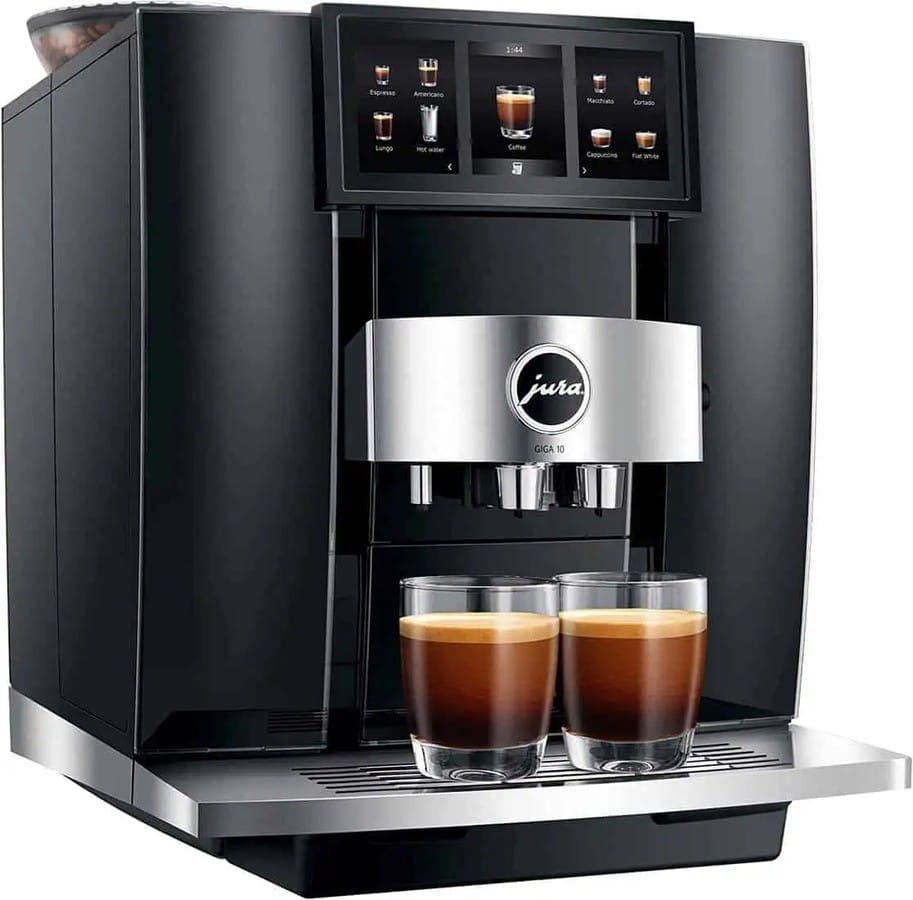
Our Top Picks at a Glance
| Rank | Pick | Best For | What to Verify Before Buying |
|---|---|---|---|
| 1 | Commercial Drip Coffee Maker | Medium to Large Offices (10+ people) needing high volume, speed, and consistent quality. | Brew speed per carafe, carafe type (thermal vs. glass), plumbed-in vs. pour-over, filter type. |
| 2 | Pod-Based Single-Serve Brewer | Small Offices (1-5 people) or individual desk use, prioritizing variety and minimal cleanup. | Pod compatibility (K-Cup, Nespresso, etc.), water reservoir size, brew size options, noise level. |
| 3 | Bean-to-Cup Automatic Espresso Machine | Offices valuing premium beverages like lattes and cappuccinos, willing to invest in quality. | Bean hopper capacity, milk frothing system (automatic vs. manual), daily cup capacity, cleaning cycle. |
| 4 | Thermal Carafe Drip Coffee Maker | Small to Medium Offices (5-10 people) seeking hot coffee throughout the day without a warming plate. | Carafe insulation performance, brew capacity, programmable features, ease of cleaning. |
| 5 | French Press / Pour-Over Setup | Creative or very small offices (1-3 people) where a ritualistic, high-quality brew is preferred. | Material durability (glass, stainless steel), capacity, required accessories (kettle, grinder), willingness for manual effort. |
| 6 | Large Capacity Filter Coffee Machine | Large offices (20+ people) with very high demand, focusing on robust industrial performance. | Brew capacity (gallons/liters), plumbed-in requirements, maintenance contract availability, energy efficiency. |
#1. Commercial Drip Coffee Maker - Best for Medium to Large Offices
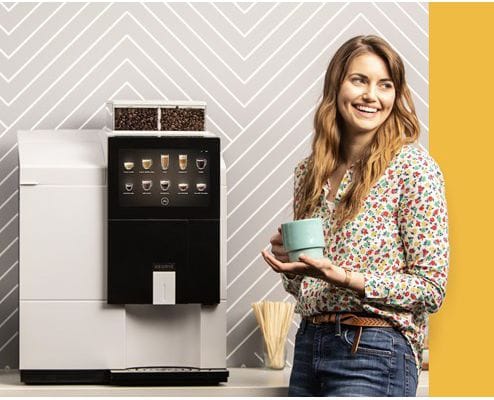
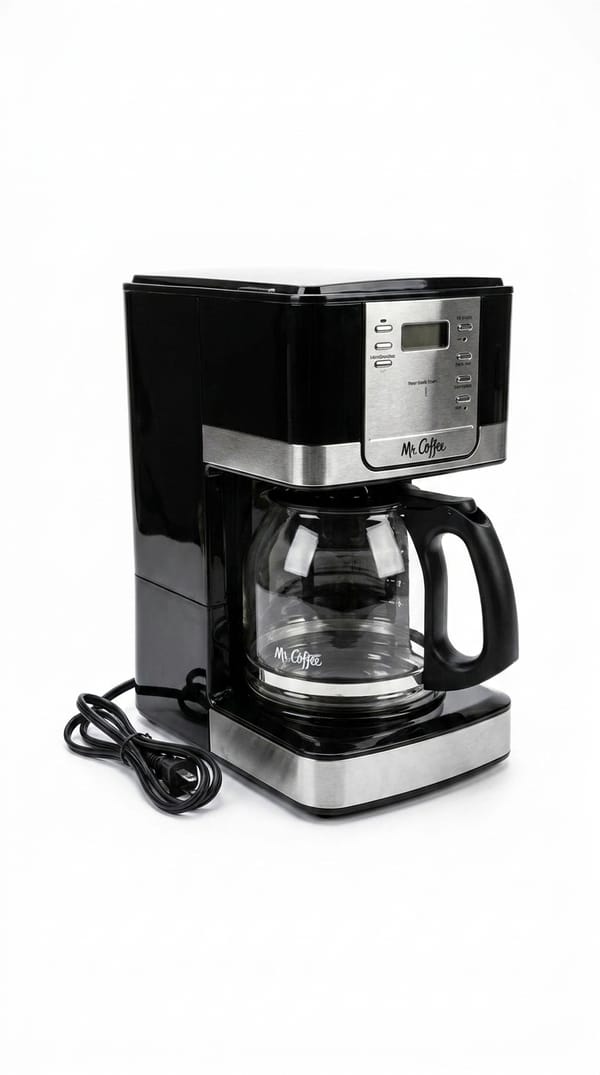
For many workplaces, a robust commercial drip coffee maker is the workhorse of the breakroom. These machines are built for durability and high-volume output, ensuring a steady supply of coffee during peak hours. They prioritize speed and consistency, delivering a reliable brew every time.
Key Buying Criteria
- Brew Speed: Look for models that can brew a full carafe (10-12 cups) in under 10 minutes.
- Capacity: Consider options with multiple warming plates or large thermal carafes to keep coffee hot.
- Durability: Commercial-grade components are essential for daily, heavy use.
- Plumbed-in Option: Eliminates the need for manual refilling, ideal for busy environments.
- Ease of Maintenance: Simple cleaning procedures are key to long-term satisfaction.
What Stands Out
- Delivers large quantities of coffee quickly, perfect for busy mornings or meetings.
- Generally very reliable and built to withstand constant use in an office setting.
- Offers consistent taste profile, which is important for many daily coffee drinkers.
What to Watch Out For
- Can take up significant counter space, especially models with multiple burners.
- Less variety in beverage options compared to single-serve or espresso machines.
- Some models may require plumbing installation, adding to initial setup costs.
#2. Pod-Based Single-Serve Brewer - Best for Small Offices or Individual Desks
The convenience and variety offered by a pod-based single-serve brewer make it an excellent choice for smaller teams or for placing directly on an office desk. These machines allow each user to brew their preferred coffee, tea, or hot cocoa without committing to a full pot. They excel at minimizing waste and offer quick, individual servings.
Key Buying Criteria
- Pod System: Ensure compatibility with widely available pods (e.g., K-Cup, Nespresso) or a reusable filter.
- Water Reservoir Size: A larger reservoir reduces refilling frequency, especially for multiple users.
- Brew Size Options: Multiple cup sizes (8oz, 10oz, 12oz) cater to different preferences.
- Noise Level: Important for small offices or if placed on a desk to avoid disrupting others.
- Brew Speed: Most brew in under a minute, but verify for rapid demand.
What Stands Out
- Exceptional convenience; brews a fresh cup in minutes with minimal cleanup.
- Offers a vast array of beverage choices, catering to diverse tastes in the office.
- No need to brew a full pot, reducing wasted coffee and energy.
What to Watch Out For
- Ongoing cost of pods can be higher per cup compared to ground coffee.
- Environmental concerns regarding single-use plastic pods, though reusable options exist.
- Can be less robust than drip machines for very high-volume, continuous use.
#3. Bean-to-Cup Automatic Espresso Machine - Best for Premium Beverages
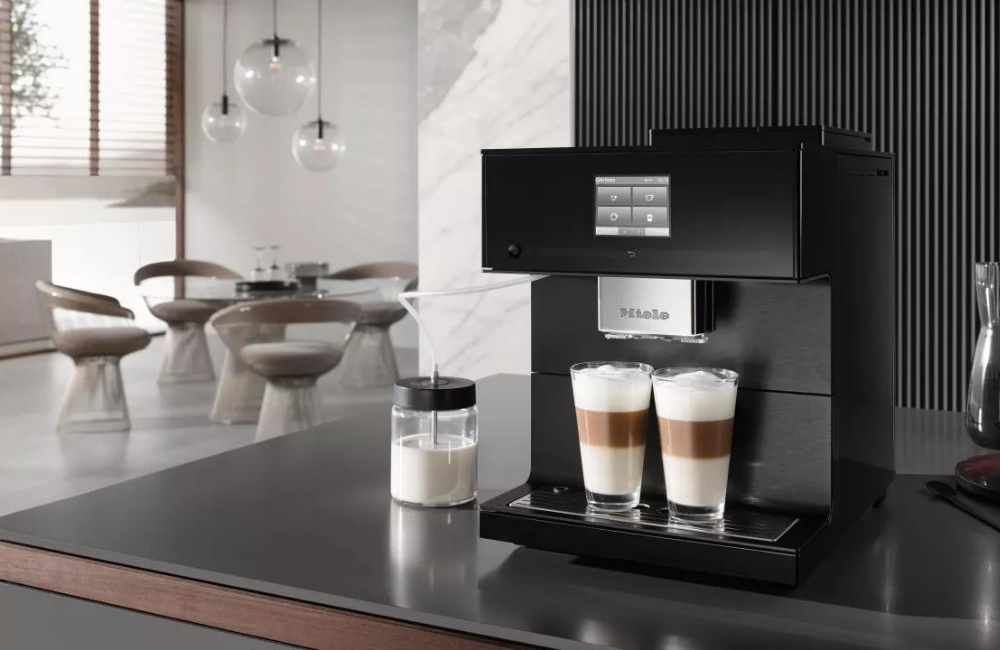
For offices that want to offer a premium coffee experience, including espresso, lattes, and cappuccinos, a bean-to-cup automatic espresso machine is an impressive solution. These machines grind fresh beans for each cup and often feature integrated milk frothing systems, delivering barista-quality drinks at the touch of a button. They are a significant investment but can greatly enhance office perks.
Key Buying Criteria
- Grinder Quality: Integrated burr grinder is preferred for optimal flavor.
- Milk System: Fully automatic frothing for lattes/cappuccinos versus a manual steam wand.
- Daily Capacity: Check the recommended daily output to match your office size.
- Cleaning Cycle: Automatic rinsing and descaling programs simplify maintenance.
- User Interface: Touchscreen displays with customizable drink profiles are a bonus.
What Stands Out
- Delivers high-quality, customized espresso-based drinks with fresh-ground beans.
- Impressive amenity that can significantly boost office morale and attract talent.
- Often features intuitive controls and automatic cleaning functions for ease of use.
What to Watch Out For
- Higher initial purchase price and potentially higher maintenance costs.
- Requires more regular cleaning and refilling of beans and water than basic drip makers.
- Can be complex for new users, requiring a short learning curve for optimal operation.
#4. Thermal Carafe Drip Coffee Maker - Best for Small to Medium Offices
A thermal carafe drip coffee maker is an excellent compromise for small to medium-sized offices (5-10 people) that need to keep coffee hot for longer periods without the burnt taste associated with warming plates. The insulated carafe maintains temperature for hours, making it ideal for staggered coffee breaks or meetings.
Key Buying Criteria
- Carafe Insulation: Look for double-walled, vacuum-sealed stainless steel carafes.
- Brew Capacity: Standard 8-12 cup capacity is usually sufficient.
- Programmable Features: Auto-start functions are convenient for morning coffee.
- Showerhead Design: Ensures even saturation of coffee grounds for better extraction.
What Stands Out
- Keeps coffee hot for extended periods without a warming plate, preserving flavor.
- Often more energy-efficient than models with constant warming plate usage.
- Less prone to developing a "burnt" taste often associated with glass carafes on burners.
What to Watch Out For
- Thermal carafes can be harder to clean thoroughly than glass carafes.
- May not offer the same high-volume output as dedicated commercial machines.
- Initial coffee temperature is crucial; poor brewing can result in lukewarm coffee.
#5. French Press / Pour-Over Setup - Best for Artisanal & Very Small Teams
For a very small office or a team that values a hands-on, artisanal approach to coffee, a French press or pour-over setup can provide exceptional quality. This option isn't about speed or automation, but about crafting a superior cup with rich flavor. It’s perfect for creative environments or where coffee is a deliberate ritual.
Key Buying Criteria
- Capacity: Choose a French press size (e.g., 34oz) or pour-over cone that matches your typical brew volume.
- Material Quality: Durable borosilicate glass or stainless steel for the French press; ceramic or stainless steel for pour-over.
- Accessories: Requires a quality burr grinder and a gooseneck kettle for optimal results.
- Cleaning: Manual cleanup for both methods; consider ease of disassembly.
What Stands Out
- Produces a rich, full-bodied cup of coffee with nuanced flavors.
- Relatively low initial cost compared to automatic machines.
- Engages users in the coffee-making process, making it a mindful break.
What to Watch Out For
- Requires more time and manual effort for each brew, not ideal for rush hours.
- Cleanup can be a bit messier compared to automatic machines.
- Not suitable for offices needing high volume or quick, hands-off operation.
#6. Large Capacity Filter Coffee Machine - Best for Very Large Offices (20+ people)
When your office has a high number of employees and a constant demand for coffee, a large capacity filter coffee machine is designed to handle the load. These robust systems are often plumbed-in and can brew multiple batches quickly, ensuring no one waits long for their caffeine fix. They are built for industrial reliability and efficiency.
Key Buying Criteria
- Brew Volume: Look for models that can brew several liters or gallons at a time.
- Continuous Brewing: Ability to brew back-to-back pots without significant cooldown.
- Plumbing: Most large units are plumbed-in for direct water connection.
- Serviceability: Consider models with readily available parts and service contracts.
What Stands Out
- Handles extremely high coffee demand efficiently, minimizing wait times.
- Designed for continuous operation and exceptional durability in commercial settings.
- Often comes with advanced features like water filtration and brew cycle customization.
What to Watch Out For
- Significant initial investment and potentially higher installation costs due to plumbing.
- Requires substantial counter space and dedicated electrical circuits.
- Less flexibility in beverage types; primarily focused on large-batch drip coffee.
How We Chose These Picks
Our selection process for the best coffee maker for office environments focused on practical utility, reliability, and value. We prioritized models and types that address common office scenarios, from small teams to large corporations. Our research considered factors like brew capacity, speed, ease of use, maintenance requirements, and the specific types of beverages offered. Since every office has unique demands, we didn't focus on specific product models without verified data. Instead, this guide highlights different types of coffee makers, allowing you to match the strengths of each category to your specific office size, budget, and desired coffee experience. We looked for solutions that balance initial cost with ongoing operational expenses and user satisfaction.
Buying Guide: What to Look For
Choosing the right coffee maker for office use involves more than just picking a popular brand. Consider these key factors to ensure your investment pays off in happy, caffeinated employees.
Office Size and Capacity Needs
This is perhaps the most critical factor. A single-serve machine is perfect for a small office of 1-5 people or for an individual office desk. For a medium office (5-10 people), a standard drip coffee maker with a 10-12 cup capacity often suffices. Larger offices (10+ people) will need commercial-grade drip brewers or even large-capacity filter machines capable of continuous brewing. Overestimating capacity is better than underestimating, leading to queues and frustration.
Brewing Method and Beverage Variety
Do your employees prefer simple black coffee, or do they crave lattes and cappuccinos?
- Drip Coffee Makers: Best for traditional filter coffee, offering consistent, large batches.
- Pod-Based Systems: Provide immense variety (coffee, tea, hot chocolate) and individual servings, ideal for diverse tastes.
- Bean-to-Cup Espresso Machines: Offer the full range of espresso-based drinks, perfect for a premium experience.
- Manual Brewing (French Press, Pour-Over): Best for small teams valuing quality and a hands-on approach.
Consider the balance between simplicity, speed, and the range of drinks you want to offer.
Maintenance, Cleaning, and Ongoing Costs
An office coffee maker needs to be easy to clean and maintain. Look for features like removable water reservoirs, descaling alerts, and easily accessible brew baskets. For plumbed-in machines, inquire about water filtration systems to prevent mineral buildup. Don't forget the ongoing costs:
- Coffee: Ground coffee is generally cheapest per cup; pods are more expensive. Fresh beans for espresso machines are a mid-range option.
- Filters: Paper filters are common for drip, while reusable filters save money.
- Descaling Solutions: Regular descaling is vital for machine longevity, especially in hard water areas.
- Energy Use: Models with thermal carafes can be more energy-efficient than those with constant warming plates.
These costs add up over time, so factor them into your budget.
Noise Level and Installation Requirements
A noisy coffee maker can be disruptive in an open office environment or a quiet workspace. Single-serve machines, in particular, can be quite loud during the brewing cycle. For larger commercial units, consider whether they require dedicated plumbing or electrical outlets. Ensure your breakroom or designated coffee area can accommodate the machine's size and utility needs. If you're looking for a quiet air purifier for a bedroom, you'd consider noise; the same applies here for a peaceful office.
Frequently Asked Questions
What is the best coffee machine for a small office?
For a small office (1-5 people), a Pod-Based Single-Serve Brewer is often the best choice due to its convenience, variety, and minimal cleanup. It allows each person to brew their preferred drink quickly without wasting a full pot. Alternatively, a compact Thermal Carafe Drip Coffee Maker could work if everyone drinks the same type of coffee.
How many cups should an office coffee maker brew?
The ideal capacity depends on your office size. For individual desk use or 1-2 people, a single-serve is fine. For 3-5 people, a 4-6 cup drip machine might suffice. For 5-10 people, an 8-12 cup drip coffee maker is standard. Offices with 10-20+ people should consider commercial-grade machines with 12+ cup carafes or multiple brewing heads.
Should I get a plumbed-in or pour-over coffee maker for the office?
A plumbed-in coffee maker is ideal for larger offices or high-volume usage, as it connects directly to a water line, eliminating the need for manual refilling. This offers maximum convenience and uninterrupted brewing. A pour-over (manual fill) coffee maker is suitable for smaller offices or specific locations like an office desk where plumbing isn't feasible or the demand is low.
What's the difference between a coffee maker for office use and a home coffee maker?
Office coffee makers are typically built for greater durability, higher volume, and faster brewing speeds to handle continuous use by multiple people. Commercial models often have larger water reservoirs, more robust components, and sometimes direct plumbing. Home coffee makers prioritize aesthetics, smart features, and smaller capacities for personal or family use, similar to how a kitchen coffee maker might differ from a large commercial unit.
How do I keep the office coffee maker clean and well-maintained?
Regular cleaning is crucial for taste and longevity. Daily tasks include emptying grounds, rinsing the brew basket, and wiping down exterior surfaces. Weekly, descale the machine using a vinegar solution or commercial descaler, especially in areas with hard water. For plumbed-in units, ensure water filters are changed as recommended. Consistent maintenance prevents mineral buildup and ensures optimal performance.